The government of Uganda has called for an urgent strategic shift toward sustainable domestic healthcare financing, urging increased national revenue mobilization, expanded health insurance coverage, and boosted private-sector investment to cushion the health sector against declining donor support.
The policy position was outlined by the Ministry of Finance, Planning and Economic Development, which emphasized that building an independent domestic financing architecture is essential to sustaining critical medical services, strengthening health infrastructure, and tackling the escalating dual burden of communicable and non-communicable diseases nationwide.
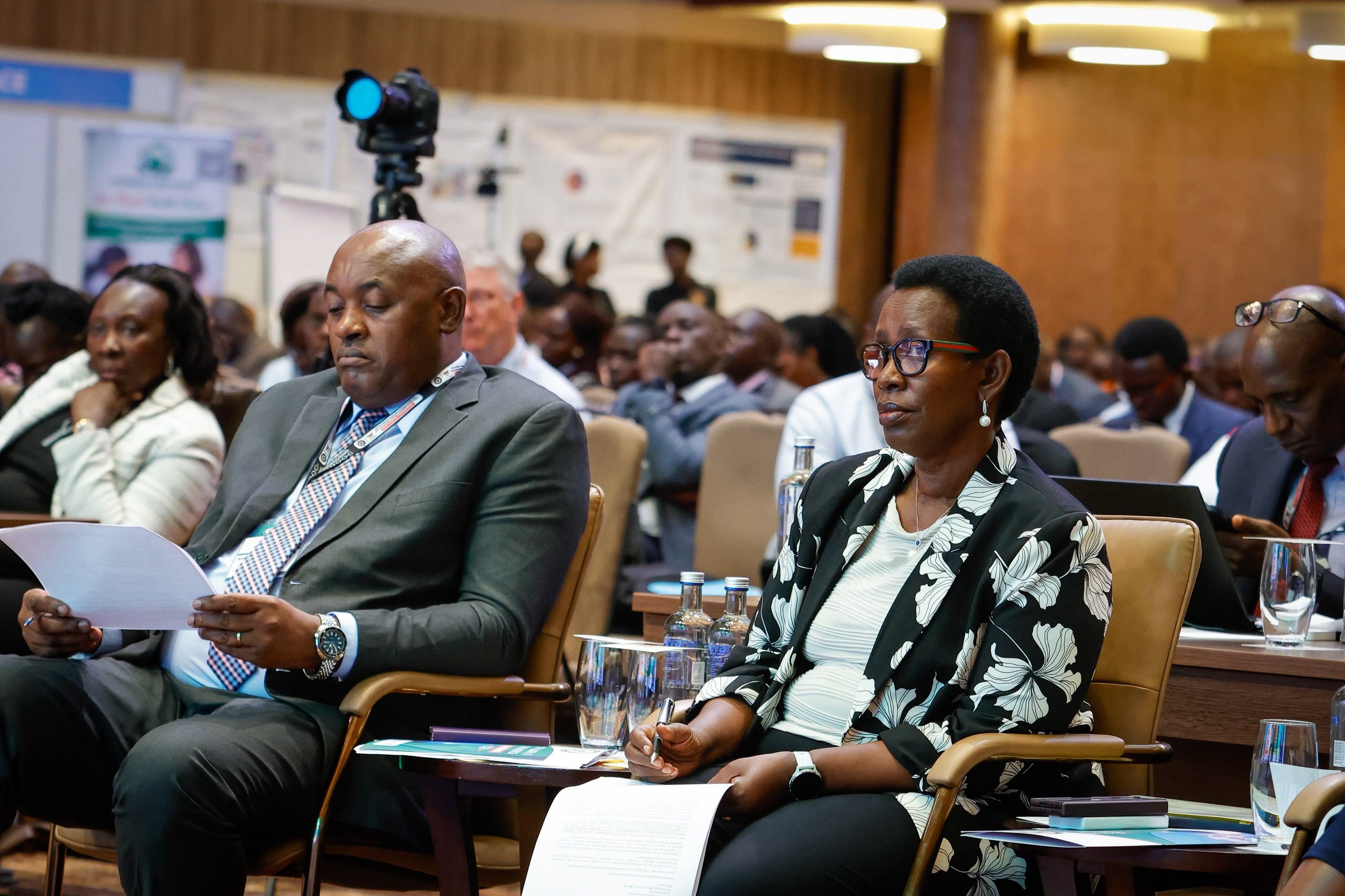
Addressing delegates at the 20th Joint Annual Scientific Health Conference (JASH) and the 2nd Annual Communicable and Non-Communicable Diseases Conference 2026 at Speke Resort Munyonyo, Mr. Joseph Enyimu delivered the keynote address on behalf of the Permanent Secretary and Secretary to the Treasury.
Enyimu stressed the necessity of aligning Uganda’s national health funding strategies directly with the country’s overarching long-term economic transformation agenda.
ALSO READ:
- Court Martial Convicts Wakiso Taxi Driver Over UPDF Attire
- Court Martial Sentences Two State Informers to Death
- Renegade Lt. Gen. Peter Elwelu Apprehended in Soroti City Over Subversive Activities
- Abraham Luzzi Slasts UEDCL After Blackout Interrupts Birthday Party
- Celebrated Comedian Kapere Passes Away
Highlighting the structural risks associated with heavy reliance on international development aid, Enyimu noted that while foreign donors have historically played a major role in combatting epidemics, over-reliance creates dangerous vulnerabilities in national service delivery.
He explained that while development assistance has contributed significantly to the fight against HIV/AIDS, malaria, tuberculosis, and other infectious diseases, reliance on external funding exposes the health system to severe financing disruptions. He emphasized that the country must strengthen domestic resource mobilization to sustainably finance essential medicines, healthcare workers, and primary healthcare services.
The high-level scientific conference, held under the theme “Unified Action Against Communicable and Non-Communicable Diseases,” convened medical professionals, public policy experts, researchers, academic leaders, and international development partners to develop evidence-based strategies for improving public health outcomes.
The Five Priority Pillars for Healthcare Reform
To transition Uganda toward a resilient and self-sustaining healthcare model, the Ministry of Finance presented five core priority areas for structural reform:
1. Increasing Domestic Revenue Mobilization: Enhancing tax administration and government revenue streams to allocate more state funding toward primary healthcare.
2. Expanding Health Insurance Coverage: Accelerating universal health coverage frameworks and national health insurance schemes to protect households from catastrophic out-of-pocket medical expenses.
3. Mobilizing Domestic Savings & Private Capital: Incentivizing local financial institutions and private investors to channel capital into health infrastructure and clinical services.
4. Public-Private Partnerships (PPPs) & Sustainable Borrowing: Leveraging concessionary financing and private-sector partnerships for major medical capital investments.
5. Maximizing Public Expenditure Efficiency: Eliminating financial leakages, improving procurement transparency, and optimizing spending within the public health budget.
Discover more from SANTA MEDIA UGANDA
Subscribe to get the latest posts sent to your email.