The Babiito royal clan has made a firm stand on the succession of the Tooro Kingdom throne, declaring that the new Omukama will not be announced through conventional press conferences, radio broadcasts, or public statements.
Instead, the identity of the next King will be revealed to the public organically through a series of highly guarded traditional rituals culminating on the day of the late Omukama Oyo Nyimba Kabamba Iguru Rukidi IV’s burial on September 12.
Mr. Moses Musinguzi, spokesperson for the Babiito clan under the office of Omujwera Musuuga, urged members of the public to pay close attention to the traditional proceedings, as the successor’s identity is embedded entirely within the rituals.
“The new King will come to be known by the public through rituals. If the Babiito royal clan members have already identified him, by the day of burying the King on September 12, the prince will be one of those performing the rituals for burying the King,” Mr. Musinguzi noted in a weekend interview.
The Sacred Path to the Throne
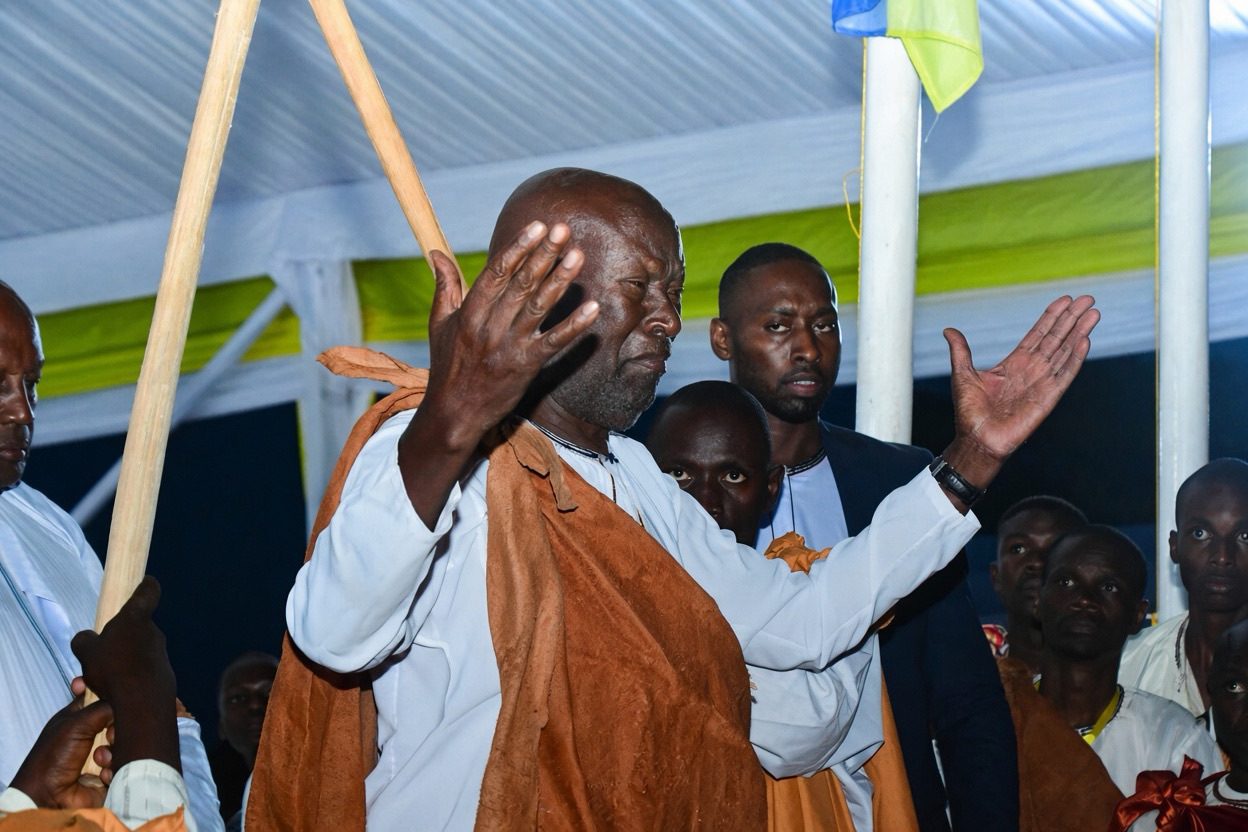
The enthronement process, culturally known as Okujumura Butwarane, involves a complex sequence of rites deep within the palace. According to Mr. Musinguzi, the public can identify the designated heir by observing who executes specific ceremonial duties.
One key identifier involves the burial grave, known as Iziba. During the burial, traditional customs dictate that nine coffee beans must be placed inside the grave.
However, the definitive moment of identification is the crossing of Omusanga.
“The prince who crosses Omusanga will automatically be the new King. The one who receives the regalia from the Abajaguzi, touches the regalia, and sounds the royal drums will also be identified as the King,” Musinguzi explained.
The sequence begins with the new King being accompanied by his maternal uncle through Mugabate, the main gate of the palace. He is then handed over to the Omujwera Musuuga, who leads him across the Omusanga. Once across, the Abajaguzi (traditional ritualists) escort him into the palace to perform rites that include turning the royal regalia which had been turned upside down in mourning upwards.
ALSO READ:
- Court Martial Convicts Wakiso Taxi Driver Over UPDF Attire
- Court Martial Sentences Two State Informers to Death
- Renegade Lt. Gen. Peter Elwelu Apprehended in Soroti City Over Subversive Activities
- Abraham Luzzi Slasts UEDCL After Blackout Interrupts Birthday Party
- Celebrated Comedian Kapere Passes Away
Following this, the procession moves to a small hill within the palace grounds known as Akaswa for further rituals, before concluding with Amakondere, the royal dance.
“Kings Are Not Elected”
Addressing widespread social media speculation that the Babiito royal clan had “voted” for one of the princes, Mr. Musinguzi was categorical in dismissing the claims, emphasizing that cultural succession is not a political contest.
“What is circulating on social media that there is someone whom Babiito voted for is not true. A King is put on the throne; he is not elected through voting,” he stated. “The Babiito sit and look at the princes they have and identify one person who becomes the King… If it were an election, it would mean some princes contested against each other.”
Authority Remains with the Musuuga
Mr. Musinguzi also clarified the role of the newly established four-member communication committee, which has been tasked with updating the public during the mourning period. While the committee handles general updates regarding palace activities, it holds absolutely no mandate to announce the next Omukama.
“That authority is with the Musuuga,” Musinguzi affirmed, cautioning the public against consuming unverified reports online and urging subjects to establish the source of any succession claims.
For now, the Batooro continue to observe the official mourning period for King Oyo, who ascended the throne in 1995 at the age of three, as they await the culturally profound moment of transition.
Discover more from SANTA MEDIA UGANDA
Subscribe to get the latest posts sent to your email.