The Uganda Communications Commission (UCC) has unveiled three structured licensing pathways for public Wi-Fi hotspot operators, offering small-scale internet re-sellers a legal framework to legitimize their businesses amidst an ongoing nationwide enforcement crackdown.
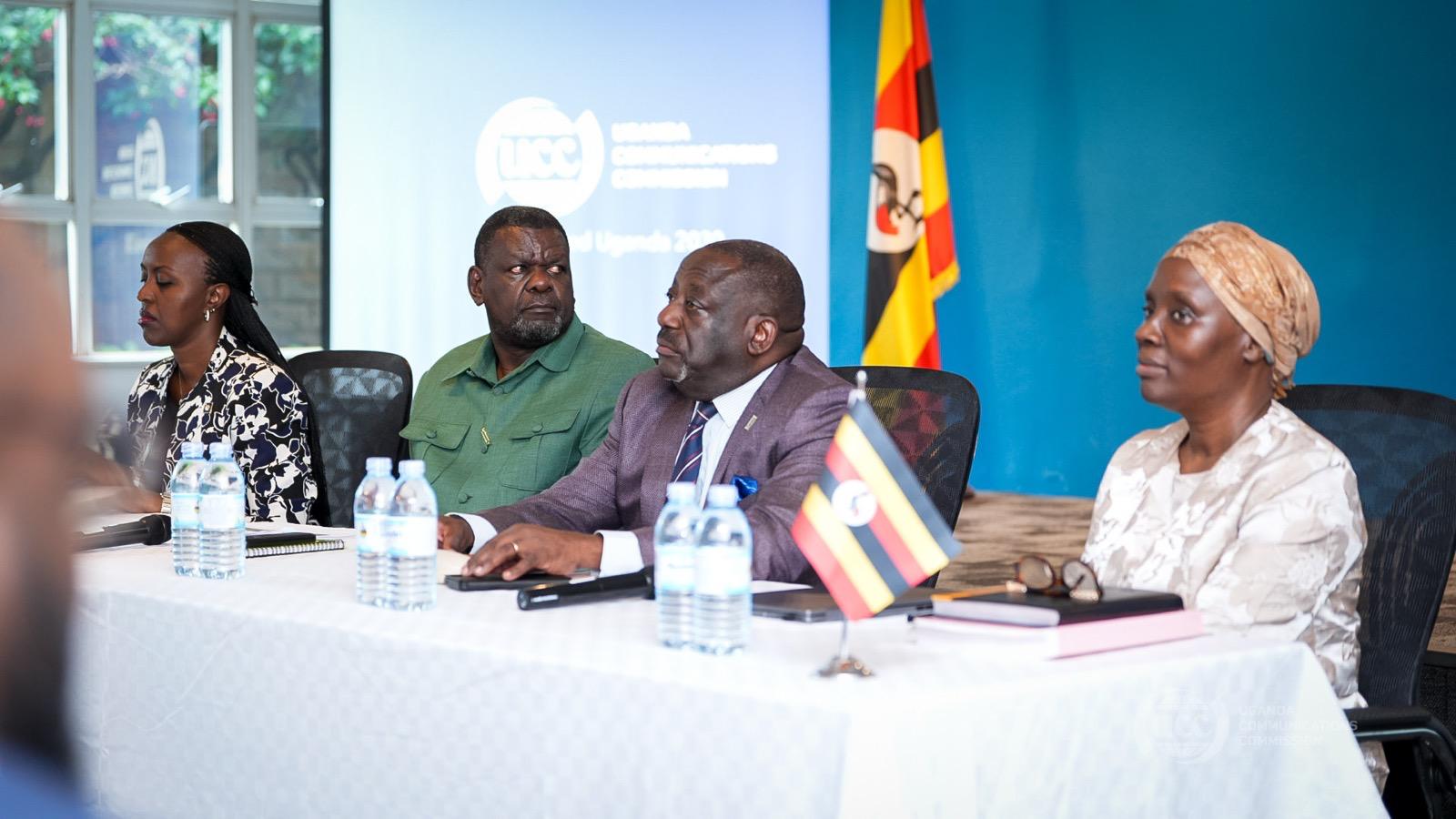
Unveiling the proposals on Tuesday, October 20, 2026, UCC Executive Director George William Nyombi Thembo firmly instructed that operators must completely dismantle unauthorized equipment before applying for official licenses.
The regulatory announcement follows a strict seven-day ultimatum issued by the UCC on October 13, 2026, directing illegal operators to voluntarily remove routers and unauthorized hardware mounted on utility poles or face confiscation and court-sanctioned destruction of seized assets.
ALSO READ:
- Court Martial Convicts Wakiso Taxi Driver Over UPDF Attire
- Court Martial Sentences Two State Informers to Death
- Renegade Lt. Gen. Peter Elwelu Apprehended in Soroti City Over Subversive Activities
- Abraham Luzzi Slasts UEDCL After Blackout Interrupts Birthday Party
- Celebrated Comedian Kapere Passes Away
Three Regulatory Options for Public Wi-Fi Operators
To bring informal internet distributors into the regulated telecommunications sector, the UCC has outlined three distinct operational frameworks:
1. Corporate Pooling & Agency Licensing
Under this arrangement, small-scale Wi-Fi resellers pool financial and technical resources to form joint companies capable of acquiring national Public Service Provider (PSP) licenses. Thembo explained that operators—particularly those already managing digital payment gateways—can organize into two or three parent entities and run local hotspots as licensed agents, bypassing the need for individual national licenses.
2. Designated Community-Based Licenses
The second option introduces localized community licenses tailored for operators serving defined geographical pockets. UCC is currently finalizing the operational definition of a “community,” drawing parallels to community radio stations restricted to specific boundaries such as residential neighborhoods, shopping malls, or localized housing clusters.
3. Direct Individual PSP Licenses
The third option allows individual operators with sufficient financial capacity to apply directly for independent public provider licenses. However, the regulator acknowledged that this route remains financially out of reach for most small-scale resellers due to significant capital and statutory compliance costs.
“Dismantle First, Negotiate Later”: UCC Rules Out Compromise
Despite providing legal pathways, the UCC emphasized that joint operations with the Uganda Revenue Authority (URA) and security agencies to dismantle non-compliant installations will continue unabated.
Thembo rejected calls to grant grace periods or engage in licensing negotiations while unauthorized networks remain active.
“We cannot be in negotiation with a person who is breaking the law. We can only issue licences to people who first discontinued their illegal operations,” Thembo stated. “We cannot carry on when illegal operations still exist. It doesn’t work, because where will one get the motivation to get a licence when they are still operating normally?”
The regulator reiterated severe public safety and operational hazards caused by illegal hotspots, including electrocution risks to utility technicians from unauthorized equipment mounted on power poles, network signal interference, and national security vulnerabilities linked to unregistered Wi-Fi users operating outside SIM registration frameworks.
Discover more from SANTA MEDIA UGANDA
Subscribe to get the latest posts sent to your email.