President Yoweri Museveni has directly attributed the sharp depreciation of the Ugandan shilling and escalating pump prices for fuel to ongoing geopolitical conflicts in the Gulf region, declaring that his government will not burn through foreign exchange reserves to artificially cushion the local currency.
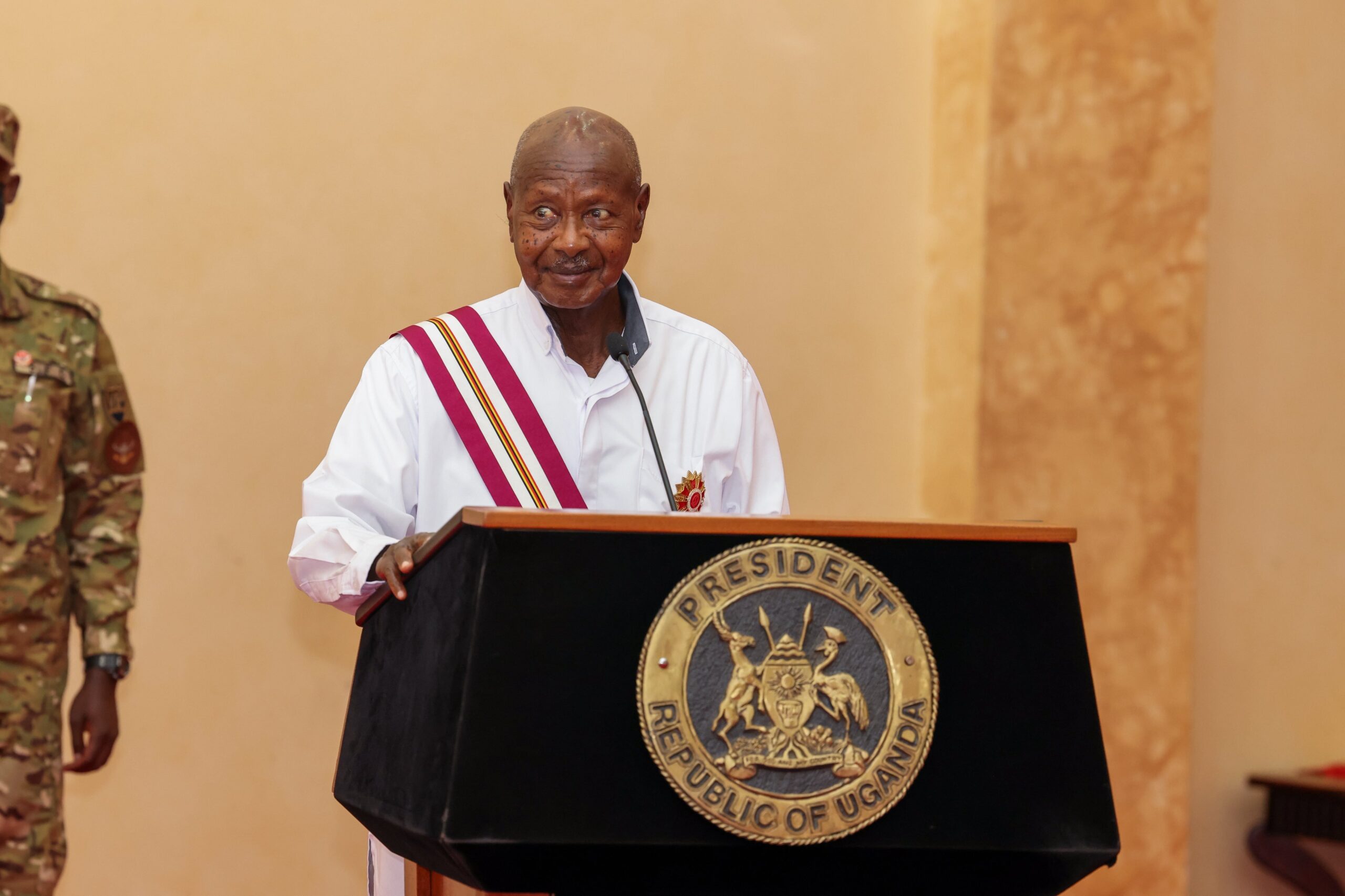
Delivering his address during Uganda’s 64th Independence Day anniversary celebrations at State House Entebbe on Friday, October 9, 2026, the President revealed that he personally blocked a proposal from the Central Bank to intervene in the foreign exchange market.
“The Bank of Uganda had proposed selling out some of the dollars in the reserves, but I refused,” President Museveni stated. “The situation is not surprising. We have been seeing these wars happening.”
ALSO READ:
- Court Martial Convicts Wakiso Taxi Driver Over UPDF Attire
- Court Martial Sentences Two State Informers to Death
- Renegade Lt. Gen. Peter Elwelu Apprehended in Soroti City Over Subversive Activities
- Abraham Luzzi Slasts UEDCL After Blackout Interrupts Birthday Party
- Celebrated Comedian Kapere Passes Away
Instead of market interventions, Museveni urged Ugandans to systematically reduce their reliance on foreign imports and switch to locally manufactured goods as the only durable defense against global currency fluctuations.
“Ugandans should instead reduce dependence on imported products and start consuming locally made products. That’s the only way they may not feel the cost of the dollar,” he added.
Addressing the sharp escalation in fuel costs—which have surged to between Shs 7,000 and Shs 8,000 per liter across various parts of the country—President Museveni disclosed that the government had previously cushioned motorists through a temporary direct-supply arrangement.
Following Uganda’s policy shift to import petroleum products directly through the Uganda National Oil Company (UNOC) rather than through Kenyan middlemen, Kampala negotiated a discounted four-month supply deal with Swiss-based international commodities trader Vitol.
“I was able to protect people from high fuel prices for some months because I had an agreement with a company called Vitol at lower prices. But this was for about four months with hope that the wars would end, which has not been the case,” Museveni explained, noting that Uganda could no longer demand subsidized pricing while global crude markets remained elevated.
The President’s remarks coincide with acute exchange rate pressures. Commercial bank rates logged the Ugandan shilling breaking past the Shs 4,090 to Shs 4,100 per US dollar threshold—representing a cumulative depreciation of over 11 percent since the beginning of 2026.
The currency slide has been exacerbated by heavy dollar demand from commercial importers, telecom giants, and energy firms. Under the 2026/2027 fiscal framework, the local unit has also absorbed a Shs 200-per-litre excise duty tax hike introduced by Parliament.
Compounding the economic outlook, international financial institutions have flagged intersecting external and domestic vulnerabilities:
IMF Growth & Inflation Warning: While Uganda’s real GDP growth expanded to 6.5 percent in the first half of FY2025/2026, the International Monetary Fund (IMF) warned that elevated transport costs, energy shocks, and the regional Ebola outbreak risk pushing national inflation above 5 percent.
Parliamentary Scrutiny: Energy Minister Dr. Monica Musenero was summoned before Parliament earlier in the week, with lawmakers demanding an itemized breakdown of UNOC’s wholesale supply pricing to private oil marketing companies.
Despite these converging headwinds, President Museveni called for calm, reiterating that Uganda’s long-term economic stability rests on import substitution, industrial self-reliance, and expanded domestic manufacturing capacity.
Discover more from SANTA MEDIA UGANDA
Subscribe to get the latest posts sent to your email.