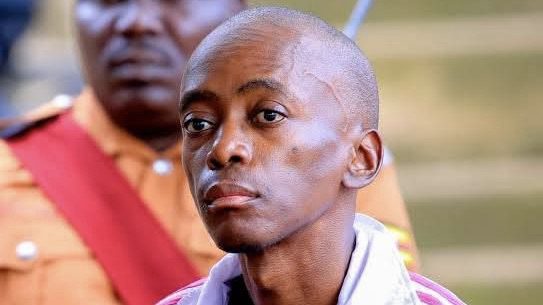
Christopher Okello Onyum, the 38-year-old man at the center of the Ggaba daycare massacre trial, broke his silence on Friday, April 24, 2026, offering a defense that centered on psychological distress, alleged coercion, and a total denial of murderous intent.
Taking the dock at the Ggaba Community Church mobile court, Okello opted to give an unsworn statement—a legal move that allows a defendant to tell their story without being subjected to cross-examination by the prosecution.
“I Did Not Do It Intentionally”
Charged with the brutal murders of Gideon Eteku, Keisha Agenorwoth Otim, Ignitius Sseruyange, and Ryan Odeke, Okello admitted that while the children died, he was not the deliberate architect of their demise.
“I am not guilty… because I did not intentionally cause the death of the four children,” Okello told the court, presided over by Justice Alice Komuhangi Khaukha. “I can explain how the children died, but I did not do it intentionally, and the charges should not stand.”
This marks a significant pivot from earlier testimony where detectives claimed Okello had confessed to killing the toddlers in a pursuit of “riches.” Okello dismissed those earlier statements as products of “pressure” and “duress.”
- Court Martial Convicts Wakiso Taxi Driver Over UPDF Attire
- Court Martial Sentences Two State Informers to Death
- Renegade Lt. Gen. Peter Elwelu Apprehended in Soroti City Over Subversive Activities
- Abraham Luzzi Slasts UEDCL After Blackout Interrupts Birthday Party
- Celebrated Comedian Kapere Passes Away
In an attempt to distance himself from the image of a cold-blooded killer, Okello portrayed himself as a “hardworking, focused, and resourceful” farmer with a “bright future.”
He informed the court that he intended to call his father, his former landlord, and business associates from Nwoya to testify to his moral character. He argued that his personal ambitions and business prospects made it highly unlikely he would conceive such a heinous crime.
Claims of Mental Distress and Stalking
The most striking part of Okello’s defense involved a detailed account of a “distressing period” between January and March 2026. He claimed he was being followed and threatened by unknown individuals in the Bunga neighborhood.
• The Fear: Okello alleged that these individuals monitored his every move, forcing him to abandon his home and live on the streets.
• The Mental Gap: He suggested that this intense fear and psychological pressure may have led to “undetected mental challenges” that contributed to the events of April 2.
• Coerced Actions: Addressing the violent videos and disturbing internet searches presented by the prosecution, Okello claimed these actions were “not voluntary” and that external factors forced his hand.
The defense phase comes just 24 hours after Justice Khaukha ruled that Okello had a case to answer, following testimony from 18 prosecution witnesses who established a prima facie case. The prosecution maintains that the digital trail, the recovery of six knives from his home, and his initial admissions point toward a calculated and premeditated act.
As the hearing continues, the court will now weigh Okello’s claims of mental instability and character against the forensic evidence and the chilling timeline reconstructed by CCTV analysts.
Discover more from SANTA MEDIA UGANDA
Subscribe to get the latest posts sent to your email.

[7949]ev98 login করুন – বিকাশ দিয়ে সেরা অনলাইন স্লট গেম খেলুন,ev98 অ্যাপ ডাউনলোড করে লাইভ ক্যাসিনো খেলার নিয়ম জানুন। বিকাশ দিয়ে অনলাইন ক্যাসিনো গেম শুরু করতে আজই লগইন করুন। visit: ev98