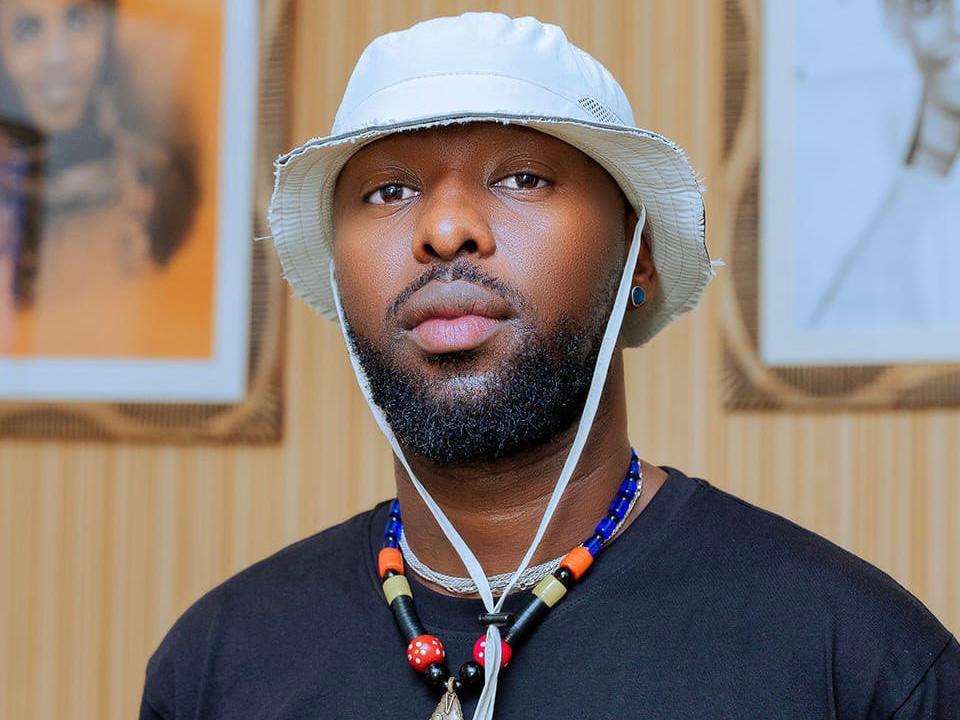
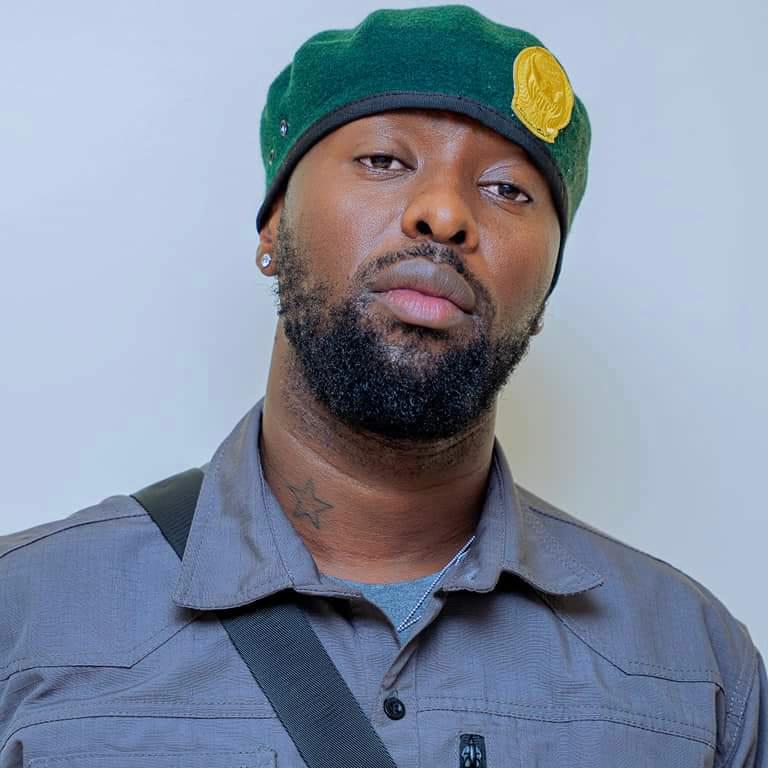
Ugandan music icon Eddy Kenzo, born Edrisa Musuuza, is no stranger to trailblazing, but his latest milestone a second Grammy nomination has sparked a firestorm of debate back home. Nominated in the Best African Music Performance category for his soul-stirring collaboration “Hope & Love” with Iranian-Swedish producer Mehran Matin, Kenzo finds himself defending the honor against waves of online criticism.
Many Ugandans, puzzled by the track’s relative obscurity, have questioned how it edged out more viral hits in a field stacked with Afrobeats heavyweights like Burna Boy, Davido, Ayra Starr, Wizkid, Omah Lay, and Tyla. Yet, in a heartfelt interview from his Mbale hotel room, Kenzo dismantled the doubters, insisting the Grammys reward innovation over Instagram likes.
The announcement of the 2026 Grammy nominees on November 7 sent shockwaves through the global music community, with Africa’s representation shining brighter than ever. The Best African Music Performance category, introduced just two years ago to celebrate the continent’s sonic renaissance, features a powerhouse lineup that underscores Afrobeats’ unstoppable momentum.
Burna Boy’s introspective “Love” brings his Grammy-winning gravitas, while Davido and Omah Lay’s “With You” fuses infectious rhythms with raw emotion. Ayra Starr and Wizkid’s “Gimme Dat” bridges generational divides, and Tyla’s “PUSH 2 START” injects amapiano flair into the mix. Amid these titans, Kenzo’s “Hope & Love” stands as a beacon of cross-cultural unity a melodic prayer blending Ugandan Afro-fusion with Matin’s worldly production, evoking themes of resilience amid global turmoil.
For Kenzo, the news hit like a thunderbolt of joy. “My heart skipped a beat,” he revealed, recounting how he discovered the nomination while scrolling X in solitude. Jubilation followed, though tempered by the immediate backlash from his homeland. “Ugandans are questioning it because the song isn’t everywhere on playlists or blowing up views,” he acknowledged. “But that’s not how this works.” Diving into the Recording Academy’s criteria transparently outlined on their website Kenzo emphasized that eligibility hinges on technical excellence: melody craftsmanship, instrumentation depth, lyrical originality, and cultural authenticity. “It’s not a popularity contest,” he stressed. “People skip the research and jump to conclusions. This is about what you’re offering the world musically, your unique voice, not stream counts.”
This isn’t Kenzo’s first dance with Grammy glory, his 2024 nod for “Gulu” made him the inaugural Ugandan to break that barrier. Now, with “Hope & Love,” he’s doubling down on history, positioning Uganda as a quiet force in Africa’s global ascent. The track, released earlier this year under Big Talent Entertainment, wasn’t engineered for TikTok virality.
Instead, it’s a deliberate artistic statement, a harmonious call for compassion in a fractured world, inspired by ongoing crises from wars to natural disasters. “When you see floods, conflicts, and division everywhere, you realize we need hope and love to heal,” Kenzo explained. “That’s the soul of this song unity across borders, starting from my Buganda roots.” Collaborating with Matin, whose Iranian heritage adds layers of global texture, amplified its appeal to Academy voters seeking fresh narratives beyond mainstream Afrobeats.
ALSO READ: Eddy Kenzo Lands 2026 Grammy Nomination for “Hope and Love” Collab
The skepticism isn’t unfounded in a digital age where success is often measured in algorithms. Kenzo’s earlier smash “Sitya Loss,” with over 100 million YouTube views, set a high bar for what Ugandan hits “should” look like. Yet, he argues, true artistry defies formulas. “I’m not chasing trends; I’m composing from what I know, my upbringing, my struggles, my joy,” he said. This nomination validates that ethos, proving that subtlety can compete with spectacle.
As voting kicks off for the February 1, 2026, ceremony at LA’s Crypto.com Arena, Kenzo’s entry could catapult Uganda into the spotlight, much like Tyla’s 2024 win for “Water” did for South Africa. Industry watchers note a 45% spike in searches for “Eddy Kenzo Grammy 2026” since the reveal, blending pride with pointed questions about visibility.
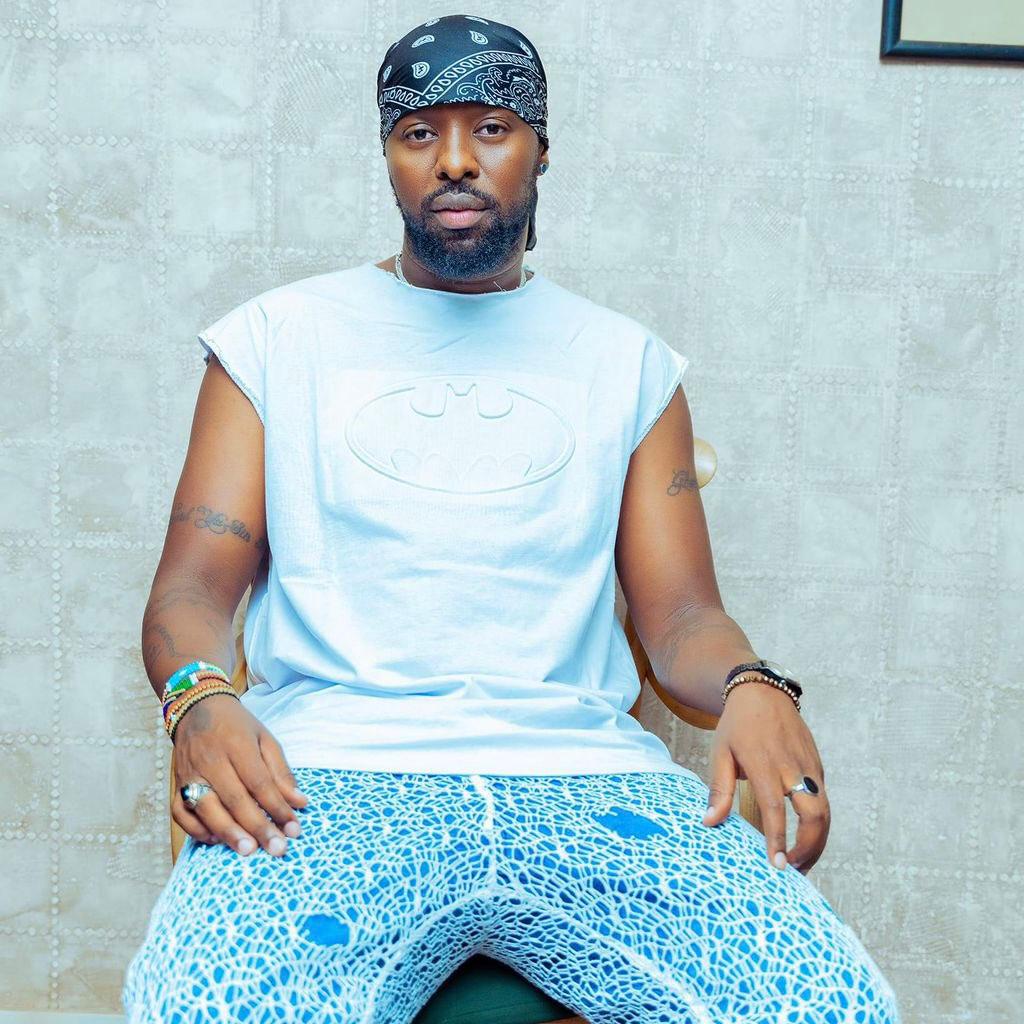
Beyond the metrics, Kenzo’s response radiates profound gratitude toward his bedrock, the Ugandan people. Despite recent barrages of negativity campaigns to “suffocate” his brand through scandals and smears he credits their unwavering support for fueling his rise. “Uganda is my home, my foundation,” he declared. “Even abroad, I carry it in my music. The prayers, the love, it’s what got me here.”
From Kampala’s bustling streets to international stages, Kenzo has built an empire on homegrown hustle, launching Big Talent as a launchpad for emerging talents. This Grammy nod, he insists, isn’t a solo victory but a collective triumph. “It’s for every dreamer in the ghettos, every fan who vibed to my tracks when no one else did. We’ve shown the world Uganda’s got soul that resonates universally.”
The broader implications ripple across Africa’s creative landscape. With Nigerian acts dominating four of the five slots, the category highlights the continent’s diversity while exposing gaps like Ghana’s notable absence this year. For Uganda, often overshadowed by Lagos’ juggernaut, Kenzo’s feat is a clarion call. It spotlights the need for better infrastructure, funding pipelines, distribution deals, and mentorship programs to turn nods into sustained dominance. “This opens doors,” Kenzo reflected. “But we must walk through them, invest in our youth, amplify our stories.”
His journey, from orphanhood in Masaka to Grammy contention, embodies that grit. Past controversies, including public feuds and business pivots, have tested him, yet resilience prevails. As the countdown to the Grammys intensifies, Kenzo remains grounded. “Win or not, this is progress,” he said. “It’s proof that Ugandan music, our rhythms, our truths, belongs on the world’s biggest stage.”
Discover more from SANTA MEDIA UGANDA
Subscribe to get the latest posts sent to your email.