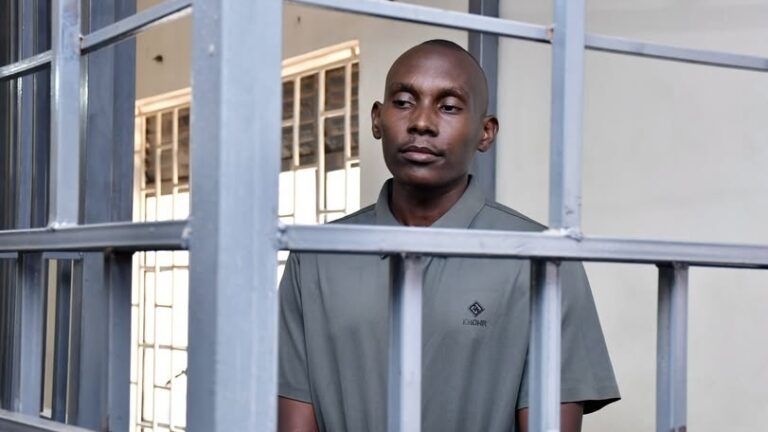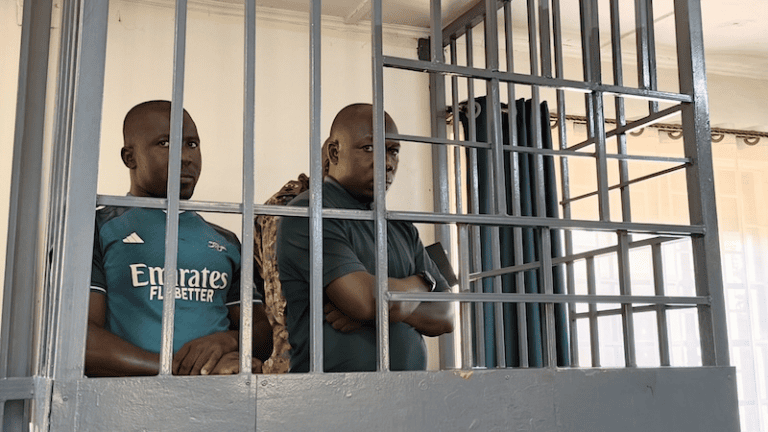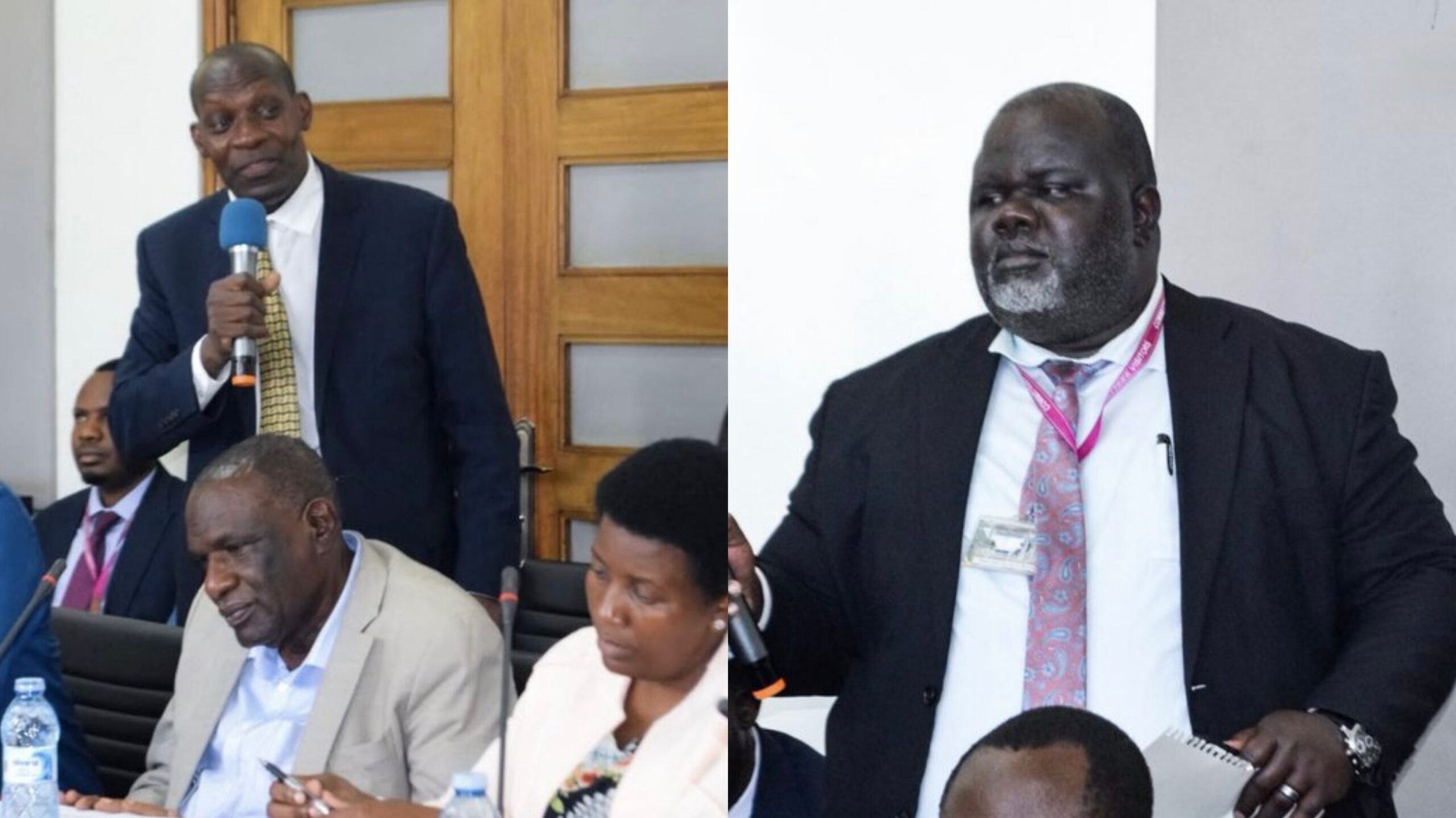
Parliament’s ongoing inquiry into the controversial Digital Number Plate Project took a dramatic turn on Monday when Criminal Investigations Directorate (CID) officers attached to Parliament arrested two senior government officials over conflicting pricing breakdowns and false testimonies given under oath.
The officers arrested following intense interrogation by the Committee on Physical Infrastructure, chaired by Mr Mwine Mpaka, are Mr Nathan Gessa, a public officer attached to the Office of the President, and Mr Moses Bekabye, an official from the Ministry of Finance.
Mr Gessa was taken into custody after failing to provide lawmakers with a clear financial breakdown justifying the Shs714,300 charged to motorists for each digital number plate.
A subsequent breakdown presented to the committee totaled Shs624,000, leaving an unexplained balance that officials could not immediately account for.
Meanwhile, Mr Bekabye was arrested after admitting to the committee that he had previously lied under oath. Although he had testified last week that government officials traveled to China, Russia, and India to benchmark the pricing of the digital number plates, he conceded during Monday’s hearing that no such foreign benchmarking trips had ever taken place.
The arrests come amidst a broader investigation into whether the project’s high costs, initial supply shortages, and implementation delays correspond to the value delivered by the security technology.
ALSO READ:
- Court Martial Convicts Wakiso Taxi Driver Over UPDF Attire
- Court Martial Sentences Two State Informers to Death
- Renegade Lt. Gen. Peter Elwelu Apprehended in Soroti City Over Subversive Activities
- Abraham Luzzi Slasts UEDCL After Blackout Interrupts Birthday Party
- Celebrated Comedian Kapere Passes Away
What began as an inquiry into operational delays has increasingly shifted toward assessing the performance of an integrated digital vehicle security system versus the simple cost of a physical registration plate. The installation package includes the registration plates, a tracking device, SIM card technology, Bluetooth beacons, and data processing systems directly integrated into Police operational systems.
During recent submissions, Police Director of ICT, AIGP Felix Baryamwisaki, informed MPs that the tracking system had enabled authorities to recover 337 out of 375 stolen motor vehicles, representing a 90 per cent recovery rate.
To verify these claims, the Physical Infrastructure Committee conducted an unannounced visit to the Police Command Centre at Naguru, submitting their own personal vehicle registration numbers to successfully test the live identification and tracking functions.
Despite verifying the tracking capabilities, MPs noted that critical operational challenges remain, including low recovery rates for stolen motorcycles—which stand at just 22 per cent—and the response speed of Police units once an automated system alert is triggered.
Ministry data presented to Parliament shows that average registration and fitment turnaround times at Kampala bonds fell from 19 days in December 2025 to two days by September 2026, with the government targeting a 24-hour turnaround by the end of 2026.
However, the dramatic arrests at Parliament underscore that administrative efficiency improvements have not resolved lawmakers’ concerns regarding financial transparency, price justification, and public accountability.
Discover more from SANTA MEDIA UGANDA
Subscribe to get the latest posts sent to your email.