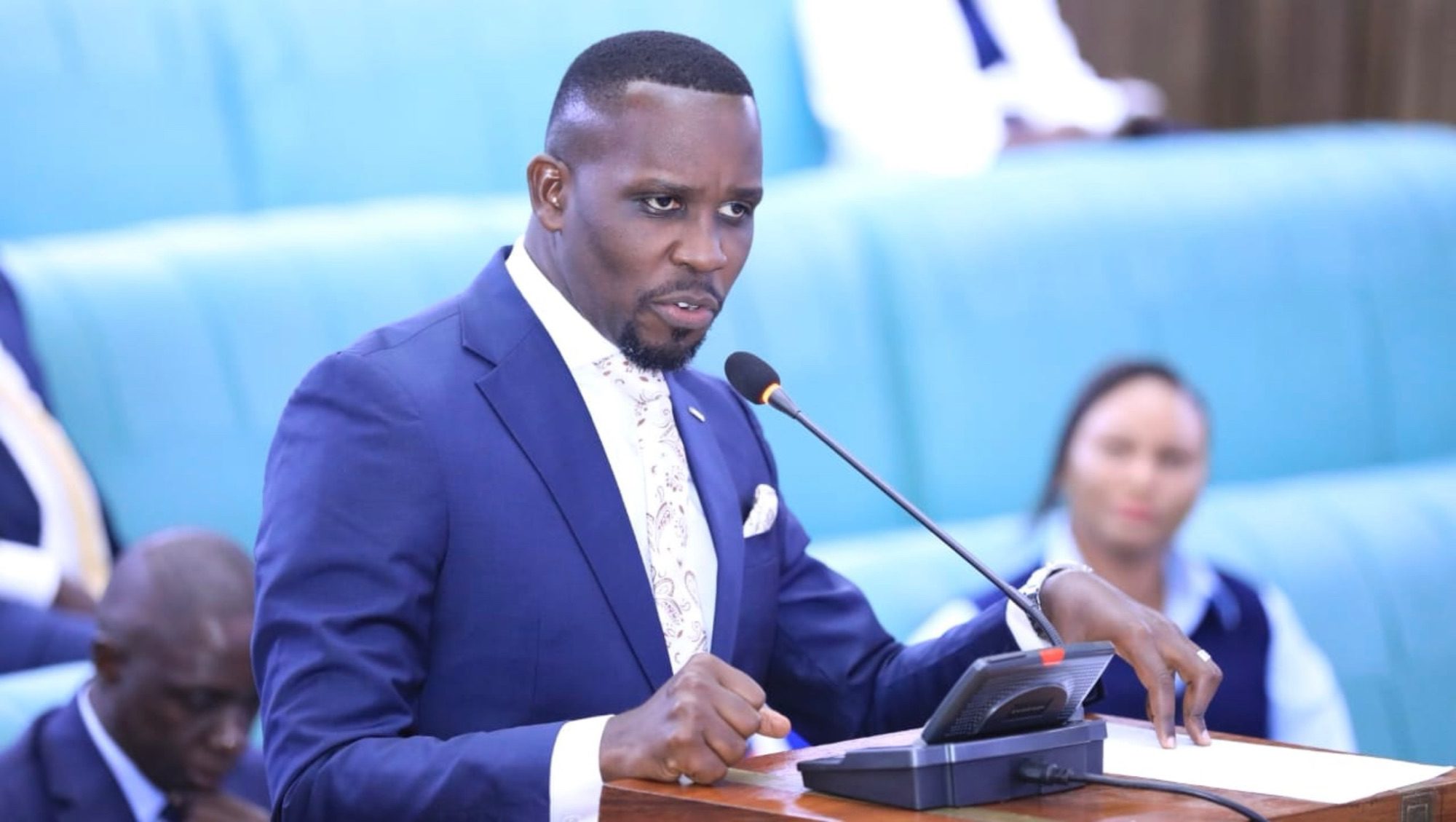
The Opposition in Parliament has delivered a stinging rebuke of the government’s economic narrative, unveiling a Shs 71.4 trillion alternative budget for the 2026/27 financial year. Led by the Leader of the Opposition (LOP), Joel Ssenyonyi, the shadow cabinet warns that the official Shs 78.2 trillion government projection is built on an “illusion of growth” that masks a deepening debt trap.
The opposition’s counter-proposal seeks to reset the national fiscal trajectory by prioritizing “fiscal realism” over what they describe as “political optimism.”
At the heart of the opposition’s critique is the revelation that the vast majority of national spending is already “locked away” before reaching the citizen. According to their analysis, approximately 56% of the budget is pre-committed to fixed expenditures, including debt interest, domestic refinancing, and payroll.
“The figures suggest expansion, but the funds available for actual service delivery continue to diminish,” the opposition statement reads. They contend that for every Shs 1,000 collected in revenue, Shs 331 is immediately diverted to interest payments alone, leaving a dangerously narrow margin for hospitals, schools, and infrastructure.
The shadow cabinet further highlights the high cost of “idle debt”—penalties and commitment fees paid on loans for projects that have stalled. Specifically, the report cites sluggish progress on the Kampala–Jinja and Busega–Mpigi Expressways. The opposition claims that in the transport sector, a staggering 70% of borrowed funds are lost to administrative costs, penalties, and general inefficiencies, with only 30% translating into tangible tarmac.
The Shs 71.4 trillion alternative budget is anchored in what Ssenyonyi describes as a sober assessment of historical revenue shortfalls and the yet-to-be-realized oil revenues expected in mid-2026. To fix the current trajectory, the opposition has proposed the following strategic shifts:
• Debt Capping: Introducing legal safeguards to ensure debt interest payments never exceed 20% of domestic revenue.
• Oil-Backed Sinking Fund: Utilizing 30% of future oil revenues to retire expensive domestic debt.
• Liquidity Boost: Increasing the allocation for clearing domestic arrears from Shs 200 billion to Shs 1.4 trillion to support local businesses.
• Reduced Borrowing: Slashing planned domestic borrowing from Shs 8.9 trillion to Shs 5.1 trillion to prevent crowding out the private sector.
The opposition has also taken aim at the government’s Shs 41.5 trillion revenue projection, calling it overly ambitious. They warn that such high targets will inevitably lead to “predatory” tax collection measures that could stifle the very businesses needed to sustain long-term economic activity.
As the 12th Parliament prepares to debate the 2026/27 fiscal plan, the opposition maintains that impressive headlines mean little if the quality of public services continues to decline. Whether the government adopts these “realist” measures or maintains its current path will likely define Uganda’s economic health as it enters the oil era.
Discover more from Santa Media Uganda
Subscribe to get the latest posts sent to your email.