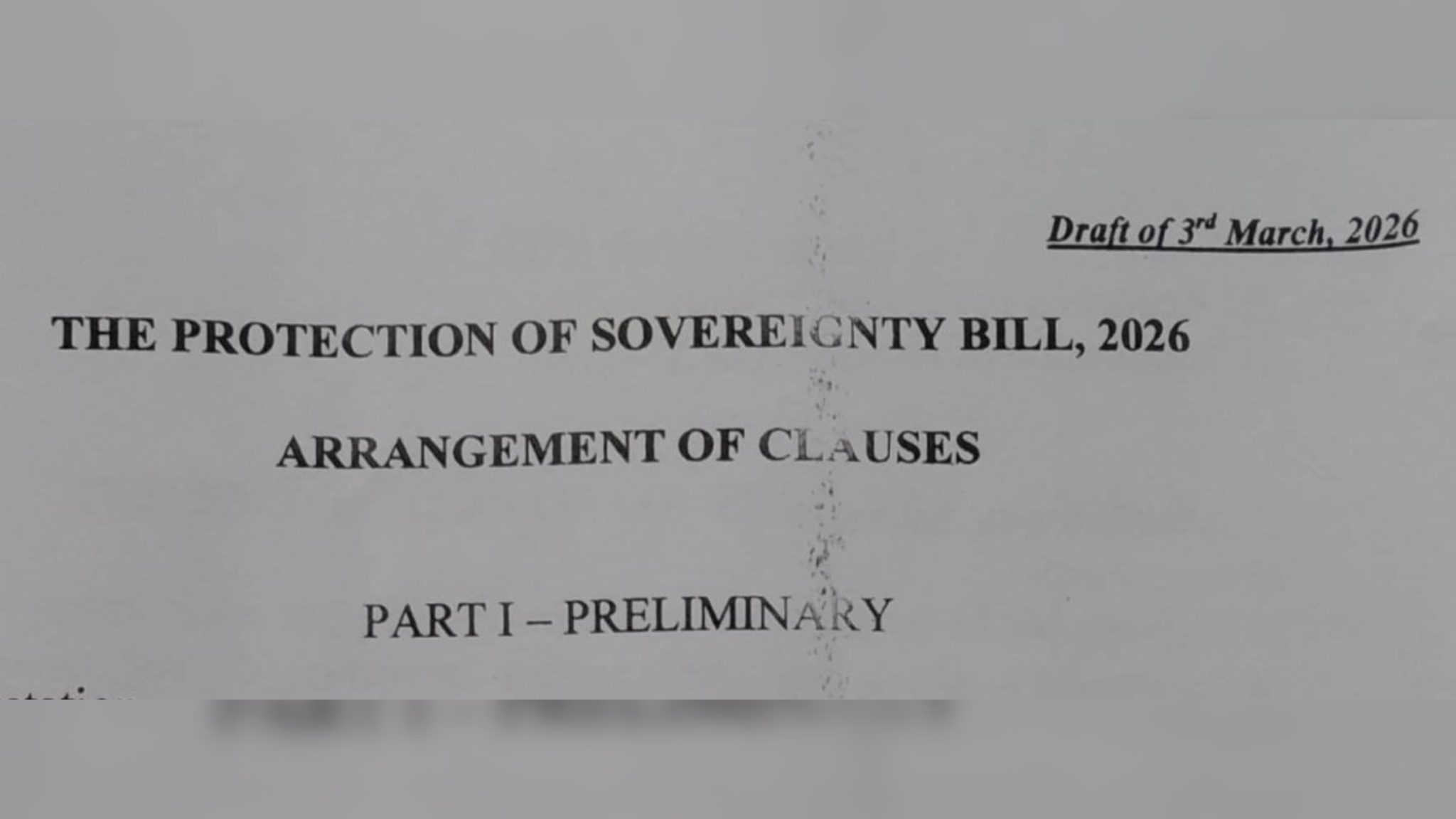
Uganda’s proposed Protection of Sovereignty Bill, 2025(also referred to as the National Sovereignty Bill) is generating intense debate after receiving strong backing from the ruling National Resistance Movement (NRM) Parliamentary Caucus. The legislation aims to shield the country from perceived foreign interference in politics, governance, and civil society.
Background and Government Position
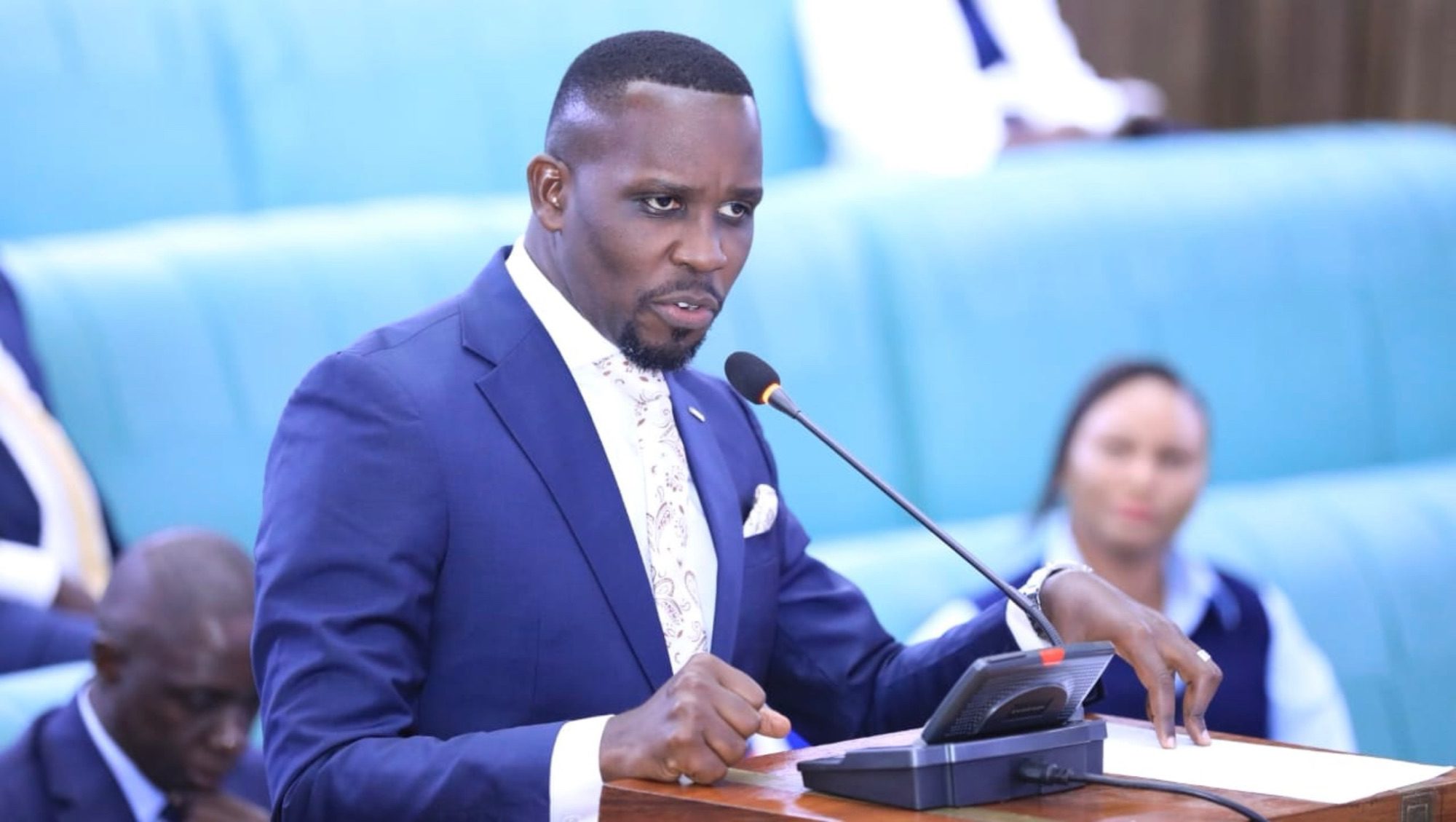
The bill emerged following a high-level NRM caucus meeting at State House Entebbe chaired by President Yoweri Museveni. Government Chief Whip Denis Hamson Obua described it as essential for safeguarding Uganda’s independence, arguing that foreign funding and activities must align with national interests and not undermine stability or sovereignty.
Supporters, including outgoing MP Yusuf Nsibambi, hail the bill as a necessary framework to ensure Uganda’s policies are determined internally. It is seen as a tool to operationalize constitutional provisions that affirm power belongs to the people and must reflect their sovereign will. Proponents say it will reduce over-reliance on external resources and prevent external actors from influencing elections, governance, or service delivery.
Key Provisions of the Bill
Although the full draft has not been publicly released in detail, information from parliamentary discussions and early analyses reveals several core elements:
• Mandatory Disclosure: Organisations and individuals must declare foreign funding sources within 14 days.
• Oversight Powers: The Minister of Internal Affairs gains expanded regulatory authority over foreign-linked activities.
• Restrictions on Foreign Influence: Bans or limits on using foreign funds for political or electoral processes, or activities deemed to undermine national sovereignty.
• Penalties: Harsh sanctions for violations, including fines up to Shs2 billion, imprisonment of up to 20 years for individuals labelled as “agents of foreigners,” and potential asset forfeiture for entities. Ugandans living abroad could also face scrutiny under broad definitions.
• Approval Requirements: Foreign-linked groups may need prior authorisation to engage in certain government-reserved functions, such as service delivery in health, education, or governance.
The bill is viewed by some as a strengthened or modified version of earlier NGO funding and regulation proposals.
Concerns and Criticisms
Civil society organisations, opposition leaders, and analysts have raised alarms that the bill could significantly shrink civic space. Critics argue the language is overly broad — terms like “promoting foreign interests” or “undermining sovereignty” lack clear definitions and could be used to target legitimate criticism, NGOs, media, or activists.
Sarah Bireete of the Center for Constitutional Governance warned of a potential crackdown on freedom of expression and association. Others point out risks of a chilling effect on public discourse, whistleblowing, and development work, especially in sectors reliant on donor funding.
Some observers, including former presidential candidate Mubarak Munyagwa, question the necessity of the bill, suggesting existing laws already address foreign influence adequately. Concerns also extend to unintended economic impacts, such as reduced funding for vital services and strained international partnerships.
What Happens Next?
With NRM’s parliamentary majority, the bill is expected to be tabled soon and enjoy strong support. It will undergo committee scrutiny, public hearings (if scheduled), and debate before any final vote.
The legislation comes amid broader global discussions on foreign influence, national security, and civic freedoms. Its passage could reshape how NGOs, media, and civil society operate in Uganda, while testing the balance between protecting sovereignty and upholding constitutional rights to expression and assembly.
As debates intensify, both supporters and critics agree the bill touches on fundamental questions: How should Uganda assert its independence in an interconnected world without stifling internal accountability and development?
Discover more from Santa Media Uganda
Subscribe to get the latest posts sent to your email.