

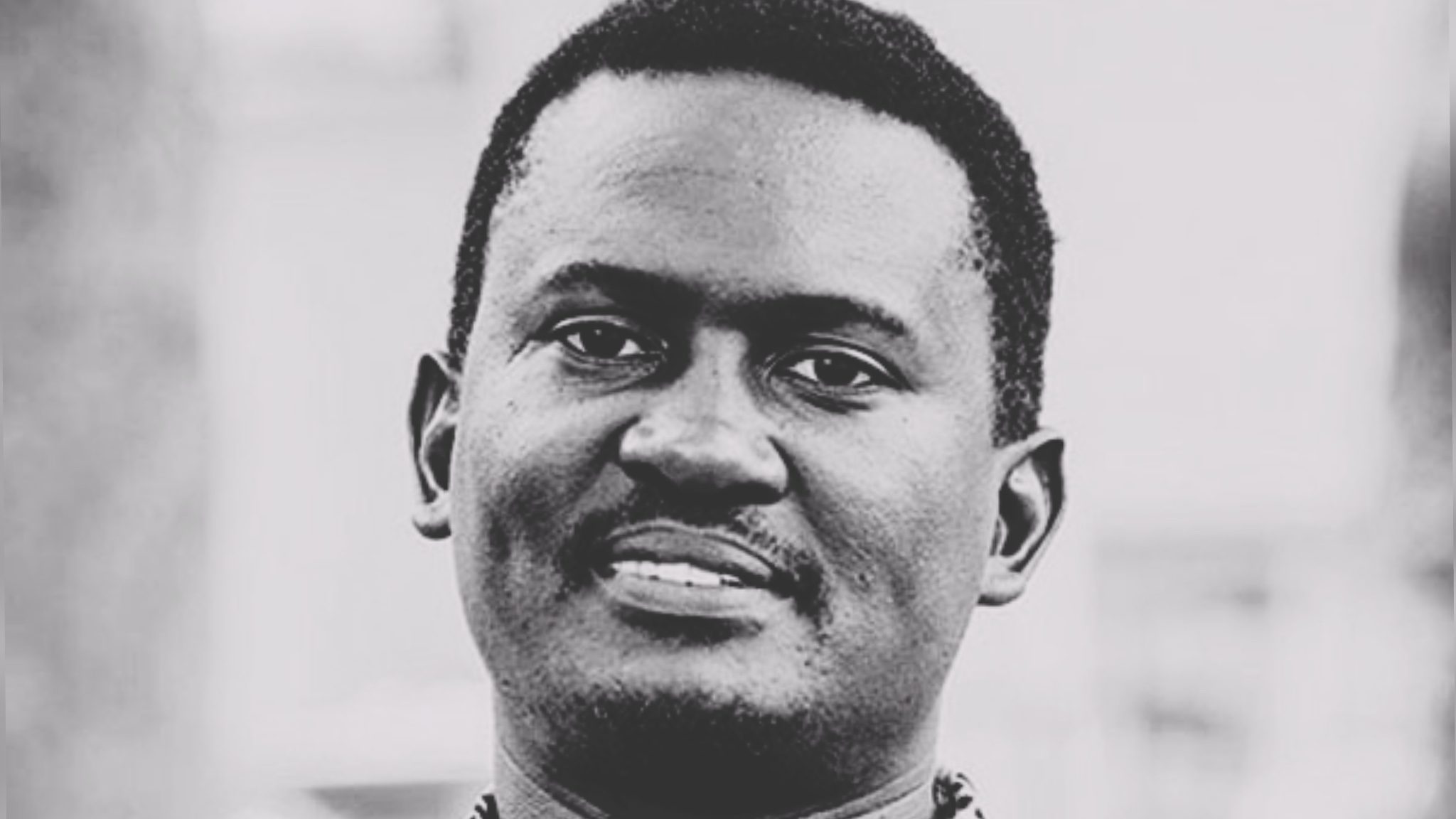
Kampala International University has intensified its defamation suit against academic and activist Dr Jimmy Spire Ssentongo, demanding he be committed to civil prison for alleged contempt and pay over Shs1.2 billion in damages.
A high-profile legal dispute between Kampala International University (KIU) and prominent academic Dr Jimmy Spire Ssentongo has taken a sharper turn, with the university now pushing for the scholar’s committal to civil prison and demanding over Shs1.2 billion in punitive damages and fines.
The escalation comes after an interim court injunction issued in late 2025 that restrains Dr Ssentongo from publishing what KIU describes as “unsubstantiated” information injurious to the institution’s reputation. The university accuses the well-known cartoonist, journalist, and human rights campaigner of continuing to post critical content on social media despite the order.
KIU argues that Dr Ssentongo’s posts amount to a sustained smear campaign that has damaged its standing, potentially leading to loss of students and staff. In its latest filings, the university is seeking not only a permanent injunction but also his imprisonment for contempt of court, alongside Shs1 billion in punitive damages and an additional Shs200 million fine.
Dr Ssentongo, an Associate Professor known for his sharp social commentary, maintains that his posts are based on complaints received from students, former staff, and members of the public. These include grievances over tuition fee handling, transparency in financial matters, and broader issues of governance and accountability at the university.
One cited post referenced a family dispute involving tuition payments that allegedly never reached intended recipients, prompting Ssentongo to urge the institution to address stakeholder concerns rather than resort to litigation.
The case has sparked intense public debate about the limits of free expression versus the protection of institutional reputation. Critics view the aggressive legal response — including the broad wording of the injunction against any “unsubstantiated” information — as potentially creating a chilling effect on public scrutiny of universities, which serve thousands of students and operate within a framework of public trust.
Supporters of KIU, on the other hand, argue that unchecked online criticism can cause real reputational and financial harm, and that the matter should be resolved through due legal process rather than social media.
The High Court has previously acknowledged that some of the issues raised are “triable,” meaning they require full examination with evidence from both sides. However, the existing interim injunction effectively limits one party’s ability to comment publicly while the case proceeds.
Legal observers note that the dispute highlights a broader tension in Uganda between powerful institutions seeking to safeguard their image and the constitutional guarantees of freedom of expression and access to information.
As the matter heads toward further hearings, questions linger over proportionality: whether the scale of the university’s demands reflects legitimate protection of reputation or an attempt to deter uncomfortable public discourse.
Dr Ssentongo has defended his actions as falling within fair comment and public interest reporting, rooted in communications from affected individuals.
The outcome of this case could set a significant precedent for how Ugandan courts balance reputational rights with the public’s right to scrutinize institutions — especially in the sensitive education sector.
Discover more from
Subscribe to get the latest posts sent to your email.

Leave a comment