
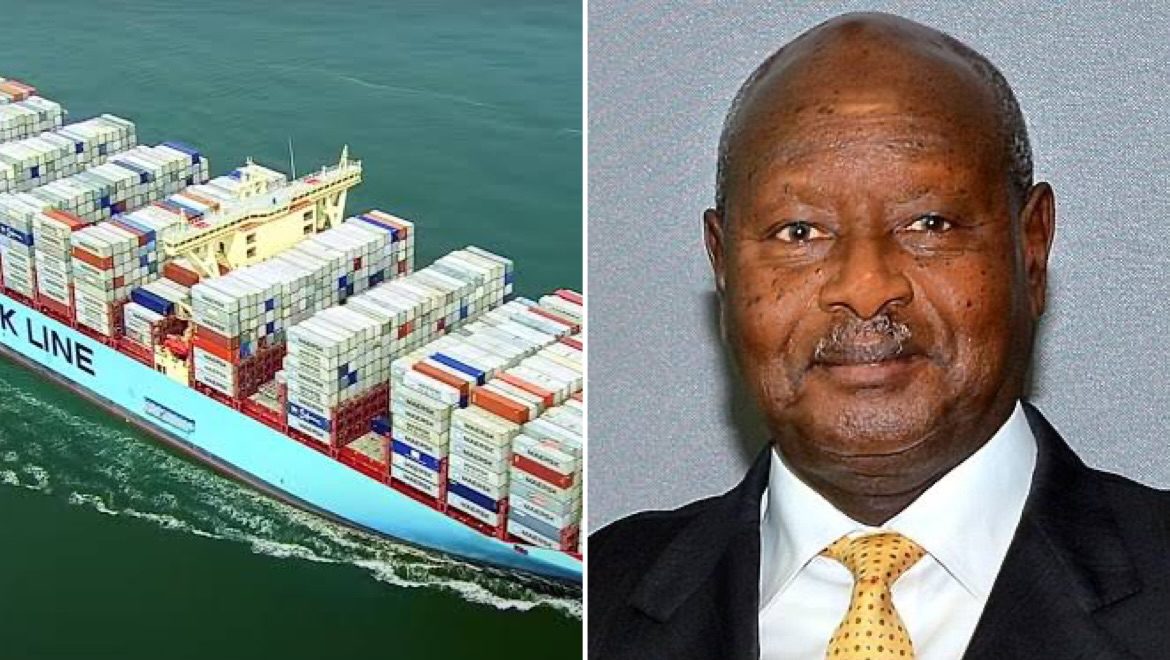
Amid raging US-Israel-Iran conflict, Iran’s Revolutionary Guard has warned vessels against transiting the Strait of Hormuz—choking 20% of world oil flows. This has triggered airspace closures, Uganda Airlines’ Dubai flight suspension, and looming fuel price hikes for landlocked Uganda.
In the wake of devastating joint US and Israeli airstrikes on Iranian targets—strikes that reportedly claimed the life of Supreme Leader Ayatollah Ali Khamenei—Iran’s Islamic Revolutionary Guard Corps (IRGC) escalated dramatically on February 28, 2026. Through urgent VHF radio broadcasts, the IRGC declared the Strait of Hormuz off-limits, warning all vessels: “No ship is allowed to pass.”
This narrow, 21-mile-wide gateway funnels approximately one-fifth of global crude oil and hefty shares of liquefied natural gas from the Persian Gulf to world markets. Though no formal Iranian government decree has sealed it shut, and no kinetic attacks on ships have been reported yet, the warnings alone have triggered chaos: ship-tracking data shows tanker traffic dropping by as much as 70%, with many vessels executing U-turns, anchoring outside the strait, or rerouting entirely. Major operators, including container lines like Hapag-Lloyd, have paused transits citing the effective “closure.”
The backdrop is ferocious: Iran retaliated with missile barrages targeting Israel and US-linked sites across Gulf nations (Bahrain, Kuwait, Qatar, Saudi Arabia, UAE), closing vast swaths of Middle East airspace and grounding civilian aviation. This forced carriers including Uganda Airlines to suspend Entebbe-Dubai routes outright, stranding passengers and prompting rebooking efforts amid the safety-driven halt.
As a landlocked country dependent on seaborne imports for nearly all fuel, fertilizers, machinery, and everyday goods, Uganda stands squarely in the crossfire of this energy shockwave. Skyrocketing Brent crude benchmarks fueled by perceived supply threats will almost certainly translate to steeper petrol and diesel prices at local stations, inflating transport fees, agricultural inputs, and overall living costs.
Compounding the pain: soaring war-risk insurance for tankers, longer shipping routes, and potential delays that inflate freight charges on everything from imported food staples to farm equipment. Economists caution that prolonged uncertainty could ignite broader inflation and strain supply chains, hitting Ugandan households, businesses, and industries hard.
With the conflict showing no signs of quick de-escalation amid ongoing strikes, retaliations, and leadership turmoil in Tehran the world watches nervously. For now, the Hormuz chokepoint remains a powder keg, and distant nations like Uganda pay the price in higher bills and disrupted trade.
Discover more from Santa Media Uganda
Subscribe to get the latest posts sent to your email.



1 thought on “Strait of Hormuz Crisis: Warnings, Closures, and Rising Fuel Costs for Uganda”