
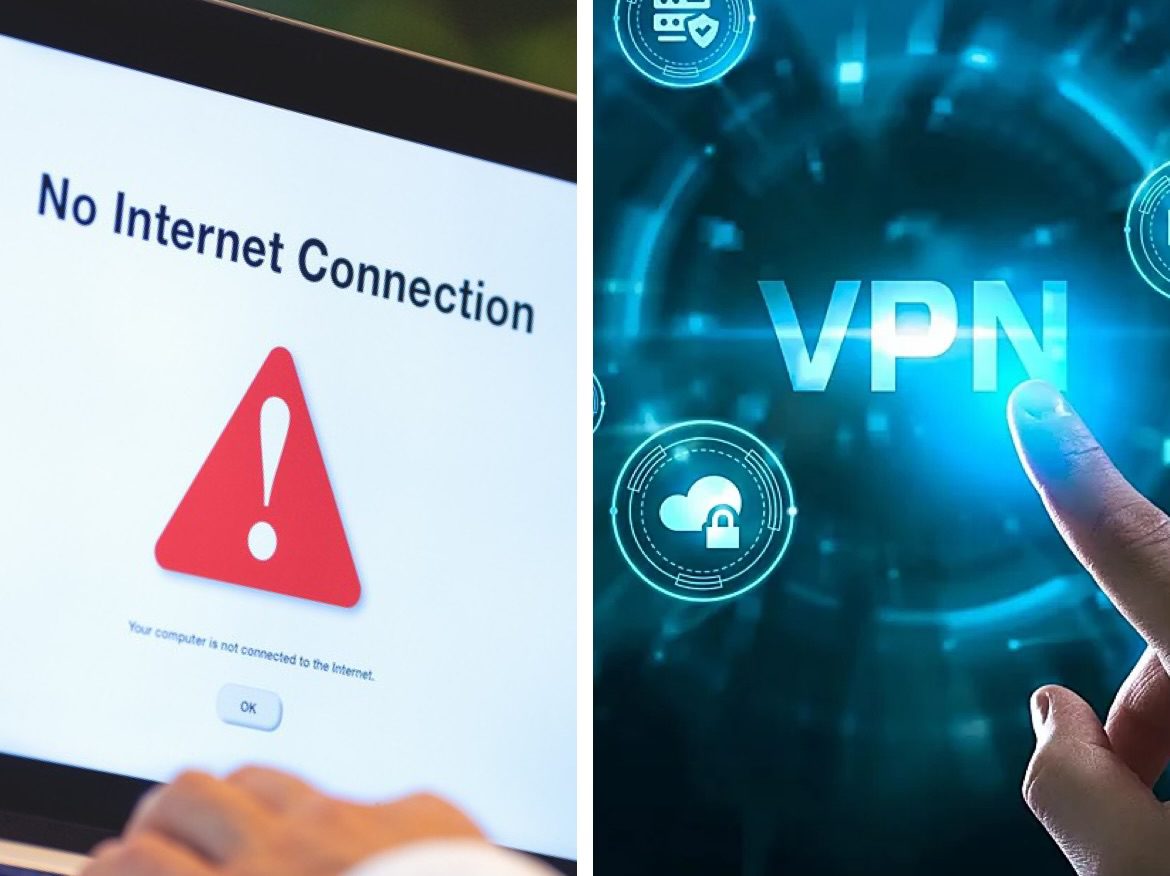
Despite the Uganda Communications Commission (UCC) imposing a nationwide suspension of public internet access starting at 6:00 PM local time on January 13, 2026, many Ugandans remain connected online as of January 14. The directive, aimed at curbing misinformation, disinformation, electoral fraud, and potential incitement to violence ahead of the January 15 general elections, has blocked most mobile data and broadband services for the general public. However, the shutdown is not absolute, allowing determined users to stay online through various circumvention methods and exemptions.
Partial Nature of the Shutdown and Exemptions
The UCC’s order targets “public internet access” while exempting certain critical and essential services. These include:
• National referral hospitals and healthcare systems
• Core banking and interbank platforms
• Uganda Revenue Authority tax systems
• Immigration and Electoral Commission secure portals
• Utilities management
• Aviation and railway control systems

Access to these exempted systems is restricted to authorized personnel via secure, whitelisted mechanisms such as dedicated IP ranges, private circuits, or approved VPNs. Mobile VPN services have been ordered disabled on public networks, but some users report that certain fixed-line or enterprise connections (e.g., in large hotels, offices, or institutions) continue to function with limited or full access. This has created pockets of connectivity, particularly for those with non-mobile or whitelisted setups.
Satellite services like Starlink were restricted earlier in January following UCC directives, closing off one potential bypass for many.
Widespread Use of Circumvention Tools
Tech-savvy Ugandans and opposition supporters are bypassing the restrictions using tools that predate or evade the block:
• VPNs (Virtual Private Networks): Despite warnings and attempts to block over 100 VPNs in past shutdowns (e.g., 2021), some reliable providers continue to work. Users connect to international servers to reroute traffic and access blocked sites/social media.
• Offline/Decentralized Apps: Opposition figures, including Bobi Wine, have urged downloads of apps like Briar (sometimes called “Bitchat” in local discussions) for Bluetooth-based messaging that operates without internet or cellular data.
• Proxy Services and Other Tools: Browser extensions, proxies, or alternative DNS configurations help some regain access.
In the 2021 elections, similar tactics allowed partial connectivity after initial blocks, though social media platforms like Facebook (blocked since 2021) remained harder to reach.
Why Many Are Still Online
Ugandans are staying connected for several key reasons:
1. The shutdown is targeted at public/mobile services, leaving gaps in exemptions and enterprise networks.
2. Pre-downloaded circumvention tools and apps enable quick workarounds, especially among youth and urban users familiar with digital resistance.
3. Determination to monitor elections: With fears of irregularities, many prioritize staying informed, sharing updates, or coordinating via alternative channels despite risks.
4. Historical experience: Past shutdowns (e.g., 2021’s multi-day blackout) taught users to prepare with VPNs, offline maps, and mesh networks.
Internet monitors like NetBlocks confirmed a “nation-scale disruption,” but real-time user reports on platforms (where accessible) suggest uneven enforcement—some areas or providers experience slower or partial blocks rather than total cuts.
Critics and human rights groups, argue the measure undermines democratic participation and freedom of expression. The government maintains it’s a necessary security step, with no set restoration timeline beyond “until further notice” from UCC.
As polling day approaches, connectivity remains a flashpoint: essential for transparency but vulnerable to further tightening. Ugandans navigating the blackout highlight both ingenuity and the high stakes of digital access in Africa’s elections. Stay tuned for updates as the situation evolves.
Discover more from
Subscribe to get the latest posts sent to your email.

[…] NEWS TikToker Luwi Light Remanded to Luzira Prison… Why Ugandans Are Still Connected Amid the… Uganda Imposes Nationwide Internet Suspension Ahead of… Rasta Rob Blesses Zari Hassan’s […]