
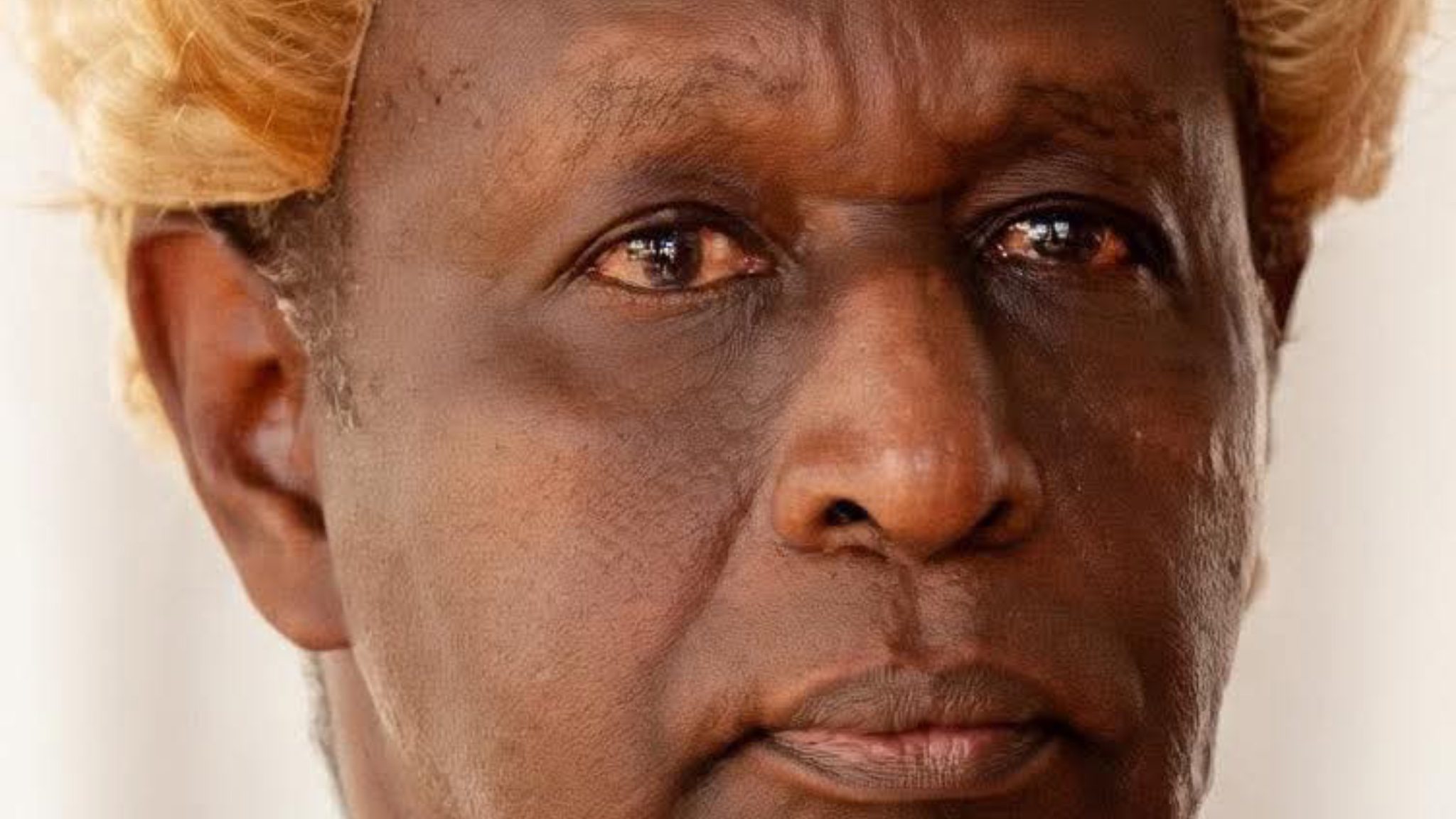
Justice Augustine Nshimye’s career was a 50-year climb from court clerk to Supreme Court judge. Discover how he revolutionized judicial oversight in Uganda.
While the headlines on Mawanda Road today focus on the passing of retired Supreme Court Justice Augustine Sebuturo Nshimye at age 79, his most enduring legacy isn’t found in a single judgment, but in the very machinery of the Ugandan court system.
Justice Nshimye, who passed away on Friday following a private battle with cancer, occupied a unique space in Ugandan history: he was the bridge between the administrative “engine room” of the courts and the highest peak of the bench.
Most judicial biographies begin at the High Court. Nshimye’s began in 1967 as a senior clerk. This unconventional start gave him a “bottom-up” perspective on the law that few of his peers possessed. By the time he reached the Supreme Court in 2015, he wasn’t just a legal theorist; he was a man who understood how a missing file or a delayed registry entry could derail justice for a common citizen.
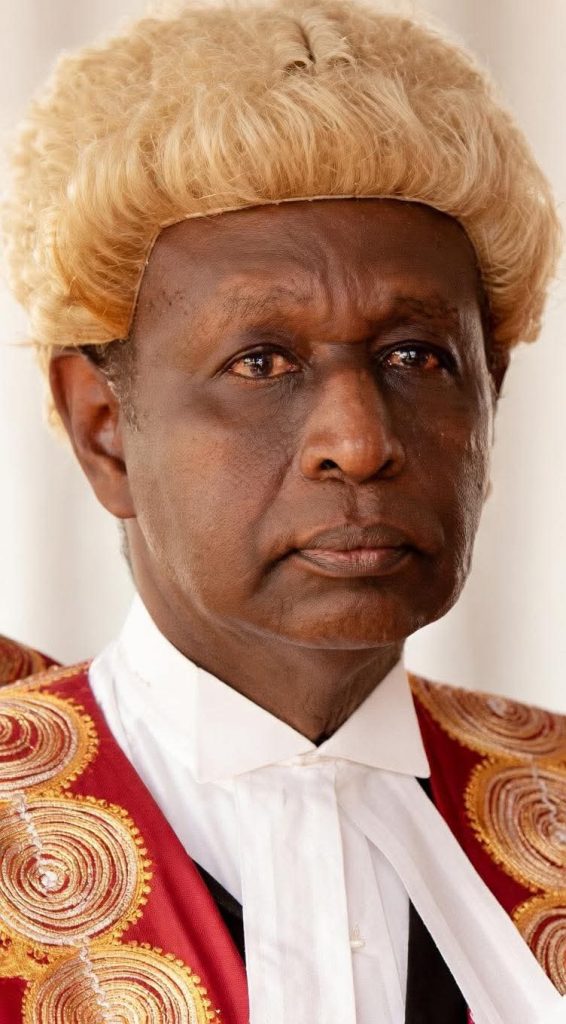
In 2015, Chief Justice Bart Katureebe made a strategic move that would define Nshimye’s final years of service. He appointed Nshimye as the nation’s first Chief Inspector of Courts.
At a time when the Judiciary was under fire for case backlogs and internal corruption, Nshimye was tasked with a “clean-up” mission. He didn’t just sit in the Supreme Court; he traveled to upcountry magisterial areas, demanding accountability from judicial officers. He transformed the role of “Inspector” from a dormant title into an active investigative unit, setting the standard for the modern Inspectorate of Courts that exists today.
Politically and legally, Nshimye will be remembered for his role in the Amama Mbabazi vs. Yoweri Museveni petition. As part of the nine-justice panel, Nshimye was a vocal proponent of “procedural thresholds.” His concurrence in the unanimous decision to uphold the election results was rooted in a strict interpretation of the Presidential Elections Act—arguing that while flaws existed, the legal “burden of proof” had not been met to justify an annulment.
Beyond the robes, Nshimye’s departure marks the loss of one of the few remaining “founding” minds of the National Resistance Movement (NRM). Having served as the MP for Mityana South and as Minister for Regional Cooperation, he was one of the rare figures who successfully transitioned from active partisan politics to the perceived neutrality of the Supreme Court without losing his reputation for pragmatism.
Justice Nshimye retired in 2017 but was recalled for an additional two-year stint—a testament to a Judiciary that felt it couldn’t yet afford to lose his administrative wisdom. As his body is moved to Uganda Funeral Services today, the legal fraternity isn’t just mourning a judge; they are mourning the man who knew how the clock worked, from the smallest gear to the main spring.
Discover more from Santa Media Uganda
Subscribe to get the latest posts sent to your email.