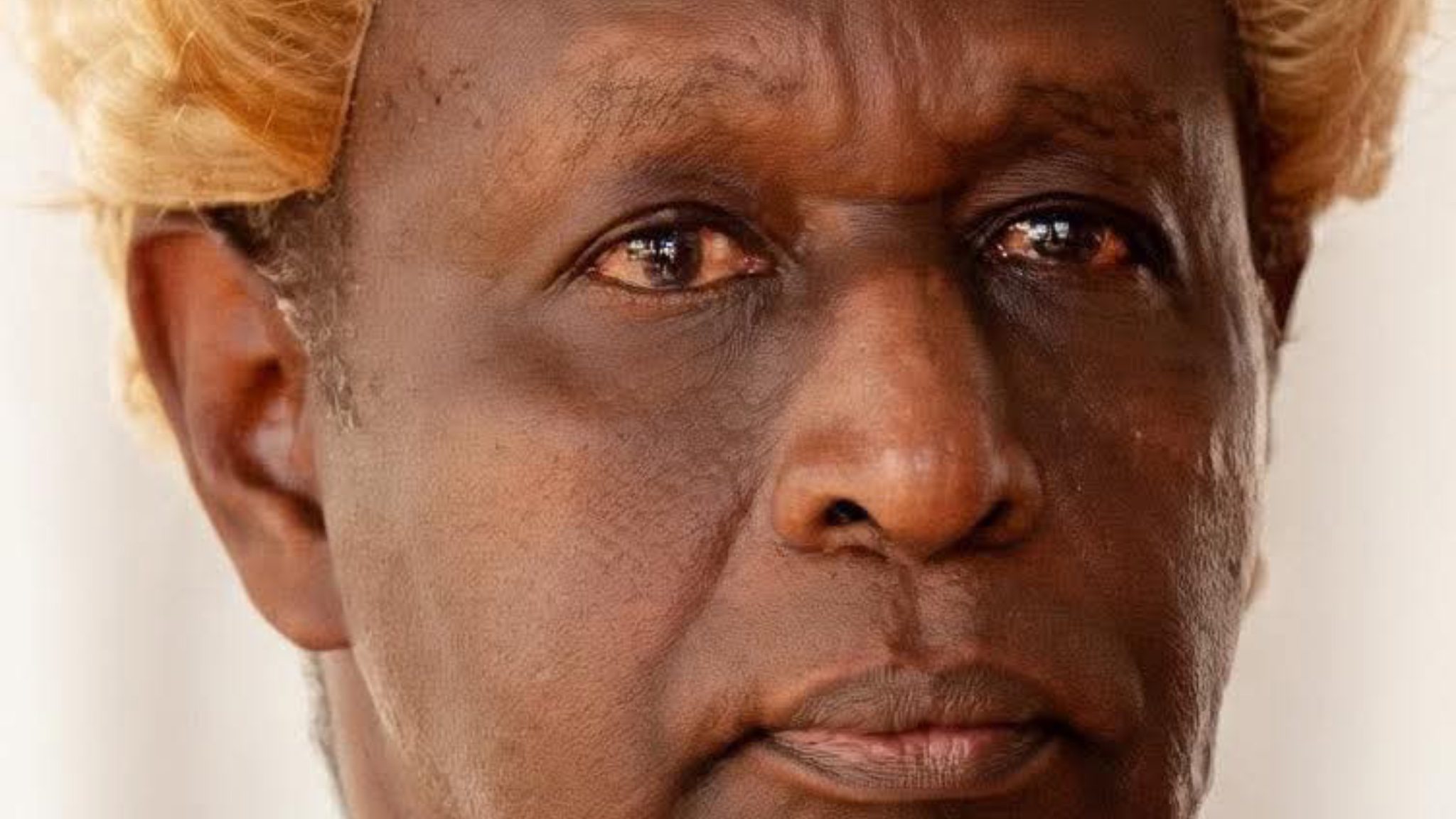
President Museveni has granted a presidential pardon to Muhammad Ssebuwufu, convicted in the 2015 kidnap and murder of Betty Donah Katusabe, leading to his release from Luzira Prison on February 27, 2026. The decision draws sharp criticism linking it to eroded trust in justice for victims like Susan Magara.
In a move that has ignited widespread public anger and renewed questions about fairness in Uganda’s justice system, President Yoweri Kaguta Museveni has exercised his constitutional prerogative to pardon Muhammad Ssebuwufu, the former proprietor of Pine Car Bond in Kampala.
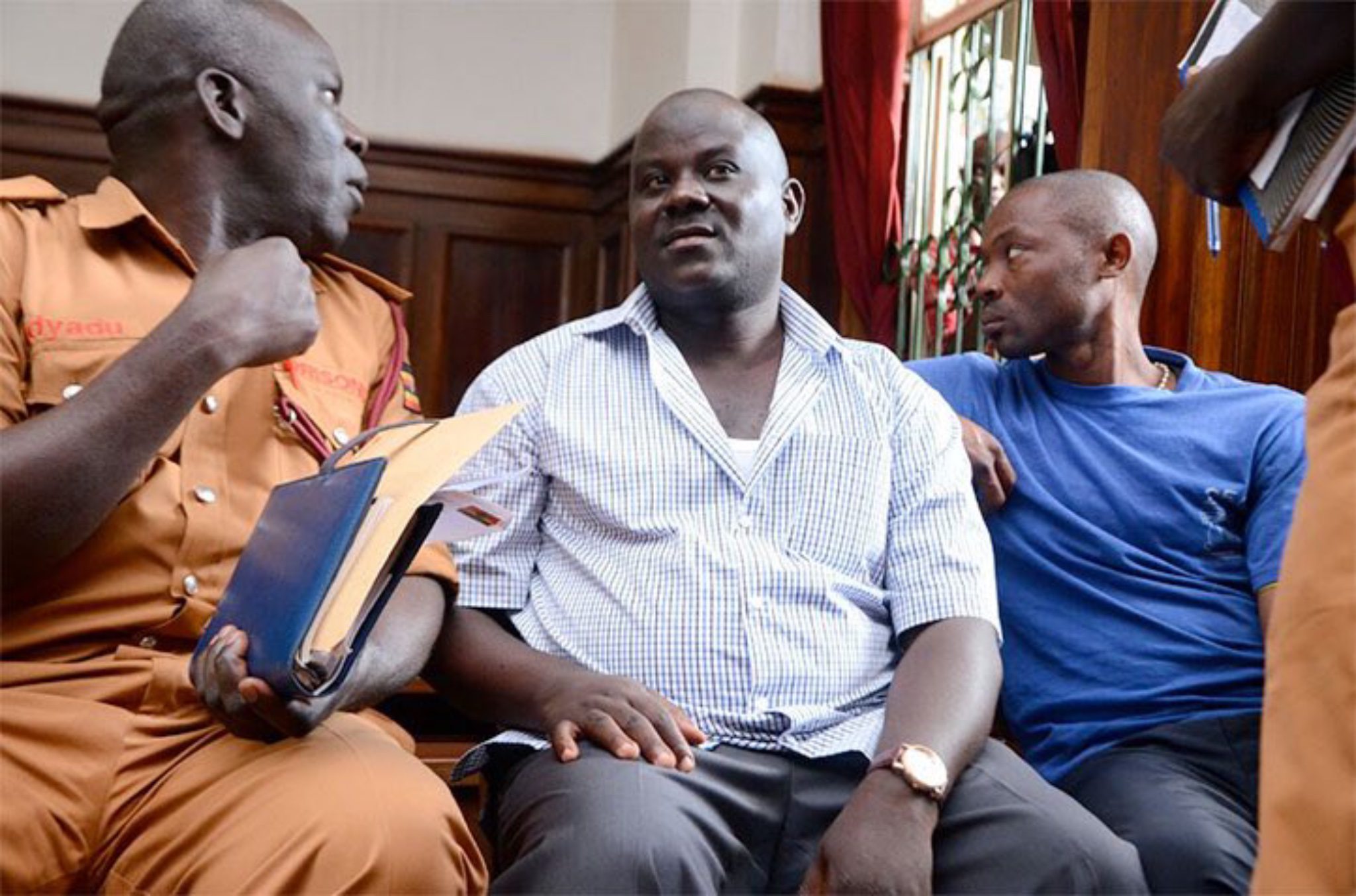
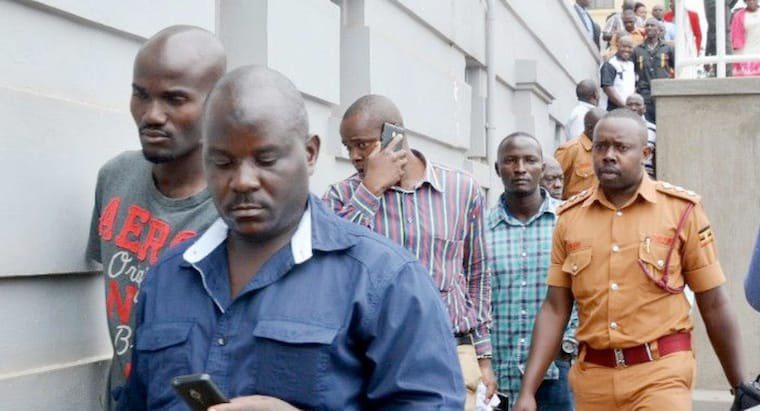
Ssebuwufu, convicted in 2019 for the kidnap, aggravated robbery, and brutal murder of his client Betty Donah Katusabe in 2015, walked free from Luzira Prison on February 27, 2026, after serving 11 years. The pardon, signed on February 21, 2026, followed advice from the Advisory Committee on the Prerogative of Mercy under Article 121(4)(a) of the 1995 Constitution, as confirmed by Prisons spokesperson Frank Baine.
Originally sentenced to 40 years by Justice Flavia Anglin Ssenoga alongside six co-accused; Godfrey Kayiza, Shaban Otuddu, Phillip Mirambe, Paul Tasingika, Yoweri Kitayimba and Damaseni Ssentongo for the murder, plus concurrent terms for robbery and kidnapping, Ssebuwufu’s sentence was reduced to 18 years by the Court of Appeal in 2025, which deemed the original term excessive.
Upon release, Ssebuwufu spoke to local media without visible regret, maintaining his innocence and claiming the case stemmed from land and property disputes where others implicated him falsely.
“What hurt me most is the claim that I commanded them to beat a woman—women are not beaten; they are explained to,” he said, referring to the violent assault on Katusabe before her death. He expressed deep gratitude to President Museveni for the pardon, congratulated him on his recent election victory, and pledged to resume any previous tasks assigned by the President.
Critics, including lawyer Anthony Natif, condemned the selective mercy, noting that Ssebuwufu’s seven co-convicts remain imprisoned while he—the alleged supervisor who orchestrated and oversaw the killing—was freed. Natif described the horror: Ssebuwufu “was there, hovering over her as his boys pummeled her to near death,” before the group abandoned her at CPS when she neared collapse.
The pardon has triggered comparisons to other unresolved violent crimes against women, particularly the chilling 2018 abduction and murder of Susan Magara. The 28-year-old was kidnapped in Kampala, held for ransom, tortured , and killed despite payments. Her body was dumped in Wakiso. Nine suspects face charges, but the case has dragged on with delays and procedural hurdles.
Social media erupted with dismay, with many arguing the decision undermines public faith in accountability for heinous crimes. For families of victims like Katusabe and Magara, it raises painful doubts, if a convicted murderer can be released after a reduced sentence and pardon, what real deterrent exists for similar atrocities?
Discover more from Santa Media Uganda
Subscribe to get the latest posts sent to your email.