
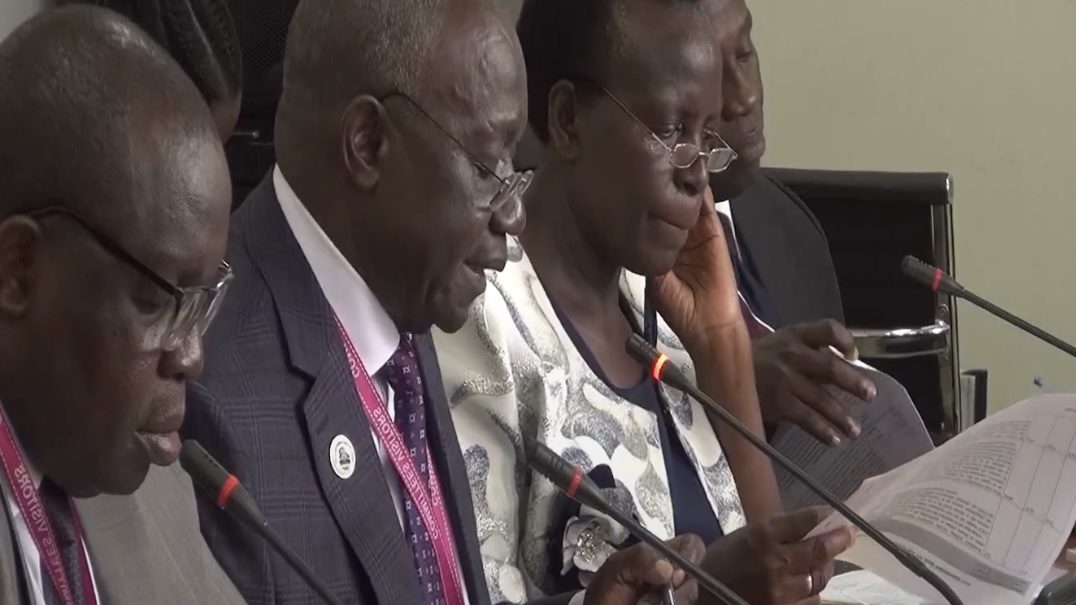
UNEB’s Dan Nokrach Odongo told Parliament that examiner pay as low as Shs720 per PLE script is dangerously unsustainable, risking rushed marking, talent loss, and exam malpractice amid inflation and the new competency-based curriculum.
The Uganda National Examinations Board (UNEB) has issued a stark warning to lawmakers: chronically low payments to examiners are threatening the credibility of the country’s national examinations system.
Appearing before the Parliamentary Committee on Education and Sports, UNEB Executive Director Dan Nokrach Odongo painted a troubling picture of financial hardship for the thousands of teachers who mark Primary Leaving Examinations (PLE), Uganda Certificate of Education (UCE), and Uganda Advanced Certificate of Education (UACE) scripts.
Odongo highlighted the stark inadequacy of current rates using simple, everyday comparisons. Under the old curriculum, examiners receive Shs720 per PLE script—less than the cost of a small packet of boiled groundnuts (around Shs1,000). The new competency-based curriculum offers only a marginal increase to Shs756 per script.
To underscore how far the remuneration falls short of basic living costs, Odongo pointed out that a roadside rolex in Kampala sells for Shs2,500 and a glass of juice for Shs3,000. An examiner marking 100 scripts would earn roughly Shs75,600—barely enough to cover modest monthly expenses, let alone compensate for the intensive intellectual effort now required.
The shift to competency-based assessment has dramatically increased the complexity of marking. Examiners must now evaluate critical thinking, problem-solving, and practical application of knowledge rather than rote memorization. Each script demands more time, deeper analysis, and greater expertise.
Despite built-in safeguards—digital workload allocation, multiple examiners per script, and structured checks to minimize bias and errors—Odongo warned that such low pay creates strong pressure to rush through marking in order to maximize earnings. That pressure, he said, directly undermines the accuracy, fairness, and reliability that students and parents expect from national exams.
UNEB has proposed modest increases:
• PLE: from Shs720/756 to Shs1,000 (still leaving a Shs244 per-script shortfall)
• UCE: from Shs1,260 to Shs1,500 (examiners are demanding Shs2,000)
• UACE: from Shs1,488 to Shs2,000 (gap of Shs512)
These rates, largely unchanged for nearly a decade, have been eroded by inflation and the added demands of the new curriculum. The board is also seeking to raise invigilation allowances from Shs45,000 to Shs60,000 per person.
The remuneration crisis forms part of a larger funding emergency. UNEB requires Shs111.24 billion to carry out its full mandate in the 2026/27 financial year but has been allocated only Shs48.82 billion, leaving a deficit of Shs62.02 billion.
Members of Parliament expressed deep concern.
• Emmanuel Ongiertho warned that persistent underfunding could fuel examination malpractice.
• Janet Grace Okori-Moe described the Shs62 billion request as “modest” given the national importance of credible assessments.
• Philip Ilukol commended UNEB for upholding standards and called for urgent support.
Committee Chairperson James Kubeketerya and Deputy Chairperson Molly Asiimwe pressed for detailed workload data and budget justifications, which Odongo provided, explaining the multi-layer verification processes designed to maintain quality even under strain.
Odongo concluded with a sobering reminder: every year, hundreds of thousands of Ugandan learners depend on PLE results to access secondary education, while UCE and UACE outcomes determine university admission and job prospects. The entire system’s credibility rests on the competence and motivation of fairly compensated examiners.
Without meaningful reform, he cautioned, experienced teachers may abandon marking duties, rushed grading could become widespread, and public trust in Uganda’s national examinations—one of the country’s most critical gatekeepers—could erode irreversibly.
Discover more from Santa Media Uganda
Subscribe to get the latest posts sent to your email.